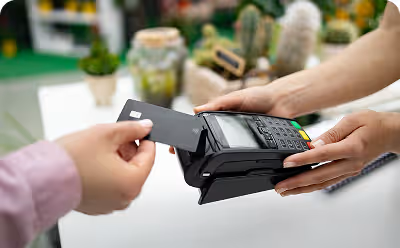
Contactless Payments Explained: The Future of Fast Checkout
Every second a customer waits at your checkout counter, the math turns against you.
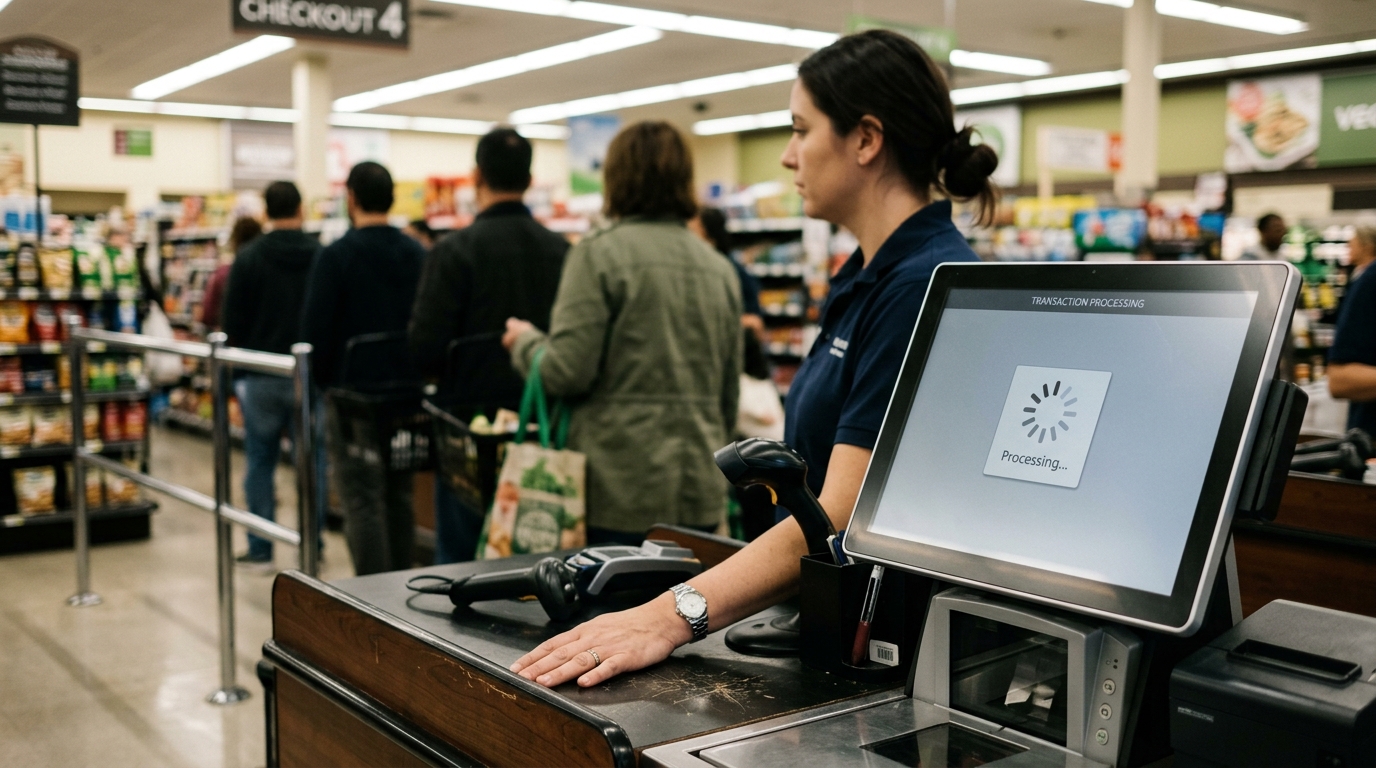
A slow line costs more than frustration. It costs transactions. It costs return visits. In high-volume environments restaurants at the lunch rush, retail floors on a Saturday, healthcare front desks with a waiting room full of patients friction at checkout is not an inconvenience. It is a measurable drag on revenue and a direct signal to your customer about how you value their time.
Contactless payments eliminate that friction. Not partially. Not theoretically. Completely. A tap-to-pay card or digital wallet completes a transaction in under two seconds. No PIN required under the standard threshold. No signature. No paper exchange. The customer taps and walks. And what follows that moment the customer's impression of your business, their likelihood to return, their willingness to recommend you improves every time.
This is not a trend you are watching develop. It is a standard that has already been set. The question is whether your business is ready to meet it.Dataonems builds payment infrastructure that answers that question with a yes on every transaction, at every location, for every customer who walks through your door.
Why Contactless Payments Are No Longer Optional
The data is unambiguous. Mastercard reports that more than half of all in-person transactions across their global network now use contactless technology. Visa's figures tell the same story. In markets like the UK, Australia, and Canada where contactless infrastructure matured, first tap-to-pay adoption exceeds 90% of card-present transactions.
The United States is following, and following fast.
In the years following the 2020 hygiene-driven acceleration of contactless adoption, American consumers did not revert to chip-and-PIN. They kept tapping. The behavioral change locked in. Today, when a customer approaches your terminal and finds it does not accept NFC payments or digital wallets, the experience registers as a problem with your business, not a limitation of technology.
That is an important distinction. Customers do not think about payment infrastructure. They think about whether checking out at your location felt smooth or clunky. Clunky follows them out the door.
How Contactless Payments Actually Work
The NFC Technology Behind the Tap
Near-field communication, the technology powering the vast majority of contactless transactions, operates on a simple principle: two NFC-enabled devices exchange encrypted payment data when brought within a few centimeters of each other. No physical contact required. No card inserted. No magnetic stripe swiped.
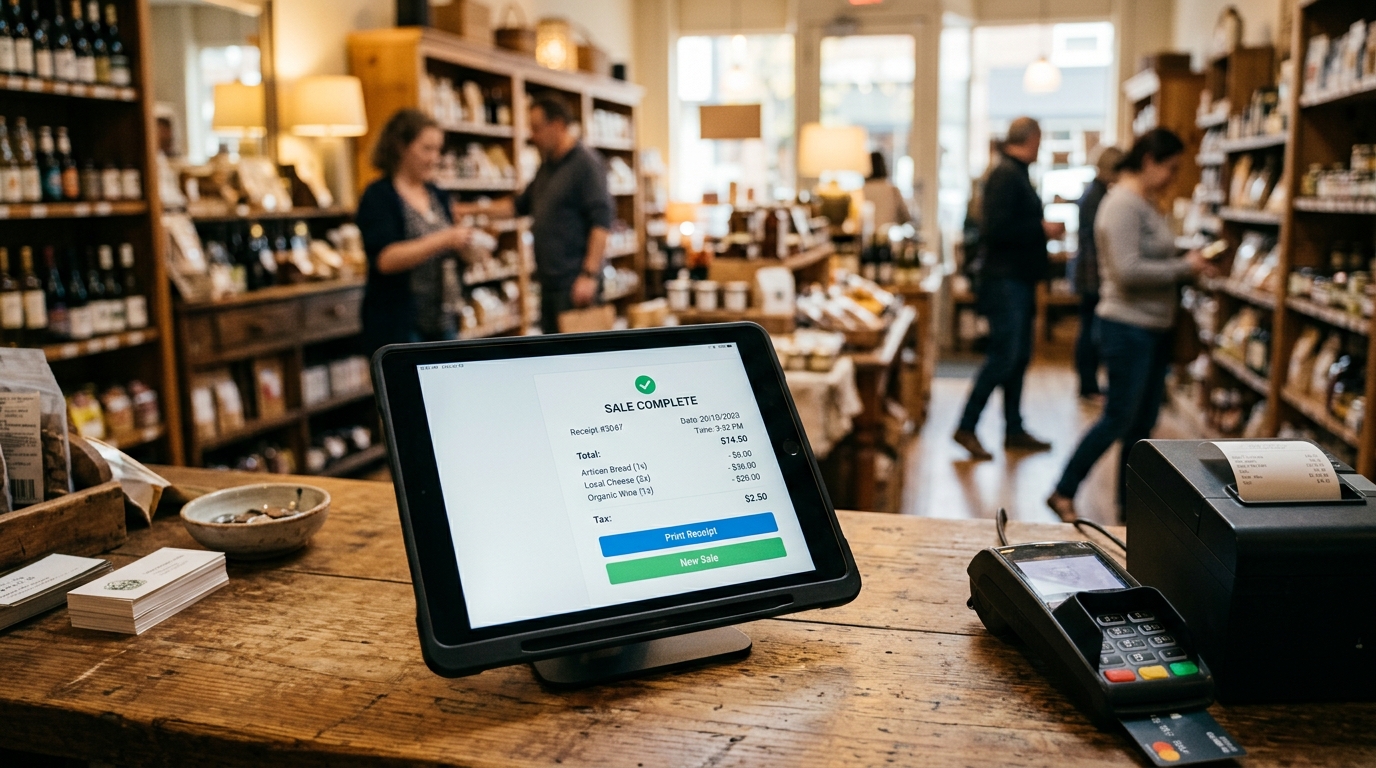
When your customer holds their tap-to-pay card or smartphone over your terminal, the transaction sequence executes in milliseconds. The terminal reads the tokenized card data, routes the authorization request to the card network, receives approval, and confirms the transaction all before the customer has had time to pull their hand back.
Digital Wallet Payments: The Smartphone Factor
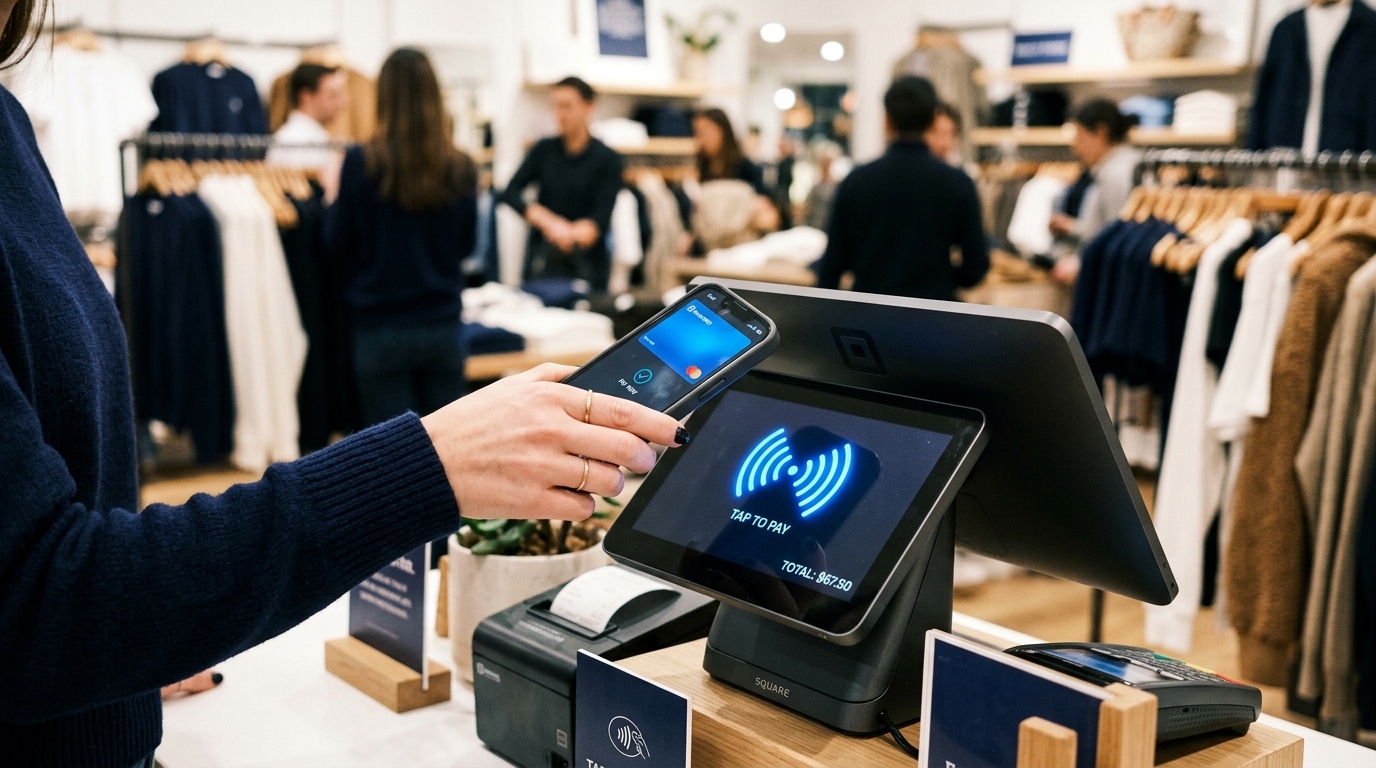
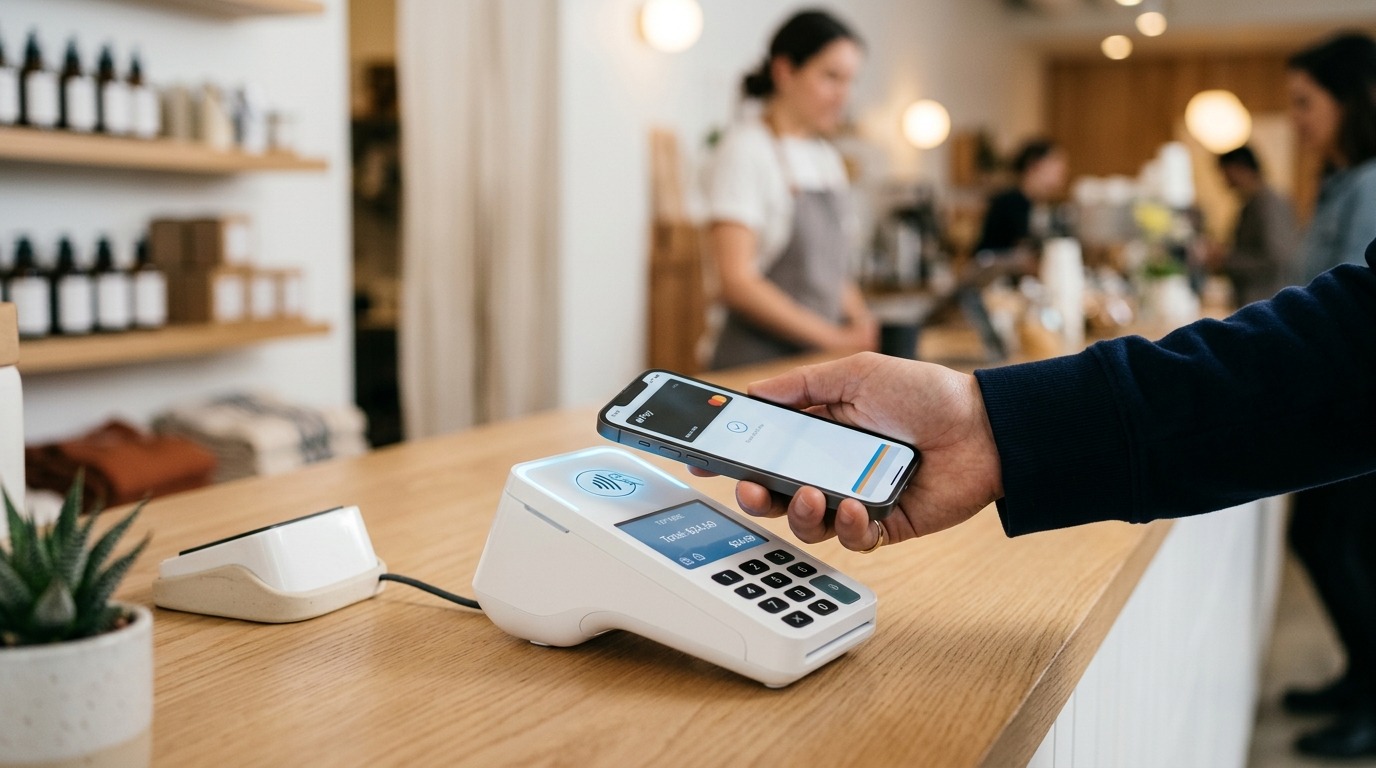
Digital wallet payments through Apple Pay, Google Pay, and Samsung Pay operate on the same NFC infrastructure, with one additional layer of security that makes them more secure than a physical card. When a customer pays with their phone or smartwatch, the device generates a one-time transaction token. The actual card number never transmits. Even if that token were intercepted, it is useless outside of that specific transaction.
This distinction matters when you are explaining payment security to skeptical customers. Digital wallet payments are not less secure than cards. They are more secure by design.
Wireless Card Payments vs. Chip Transactions
The comparison between wireless card payments and traditional chip transactions consistently favors contactless on speed. A chip transaction dip, wait for authorization, prompt for PIN or signature, completion runs between 8 and 15 seconds under normal conditions. A contactless transaction runs under 2 seconds. In a restaurant turning tables or a retailer processing a line of weekend shoppers, that differential compounds across every transaction throughout the day.
What Touch-Free Checkout Means for Each Industry
Touch-free checkout does not have a single meaning across business types. Its value proposition shifts depending on your operation, your transaction volume, and the expectations your customers bring through your door.
Restaurants
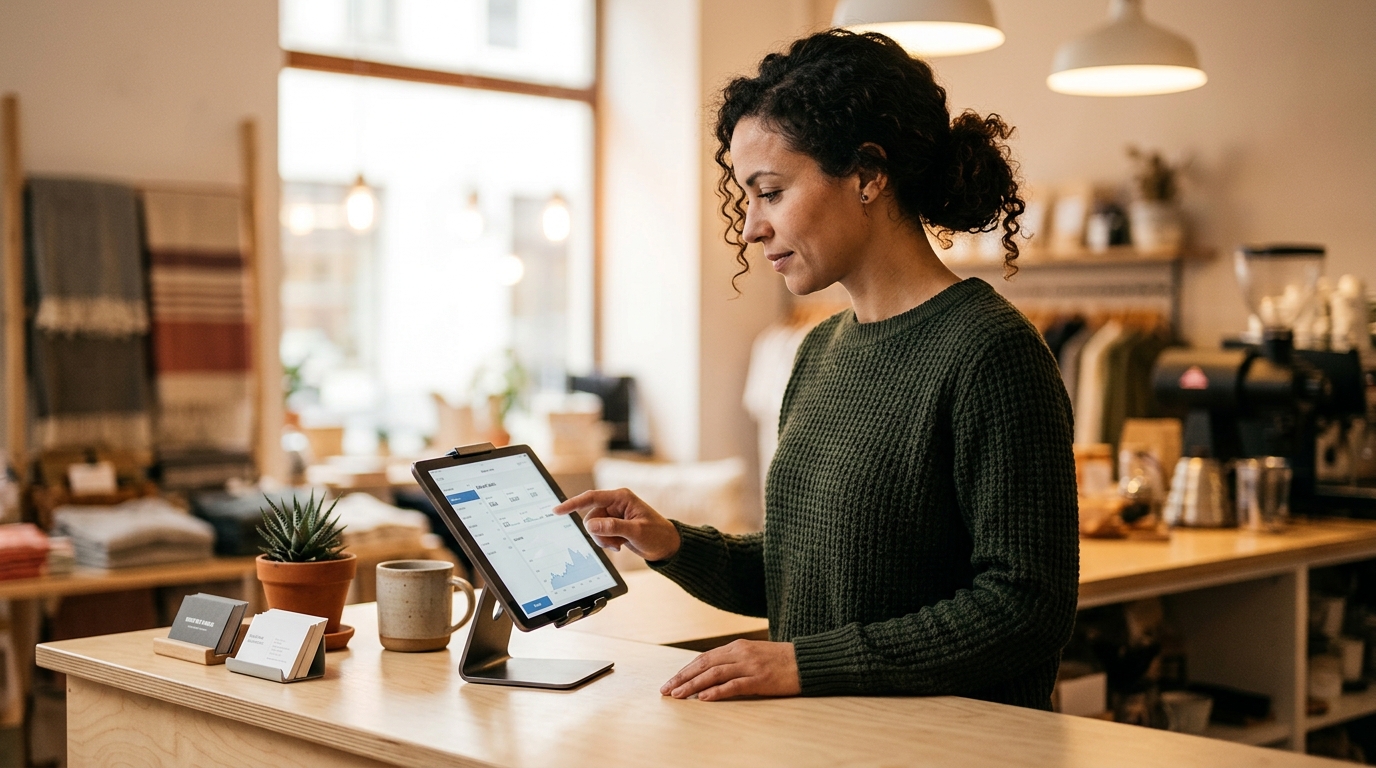
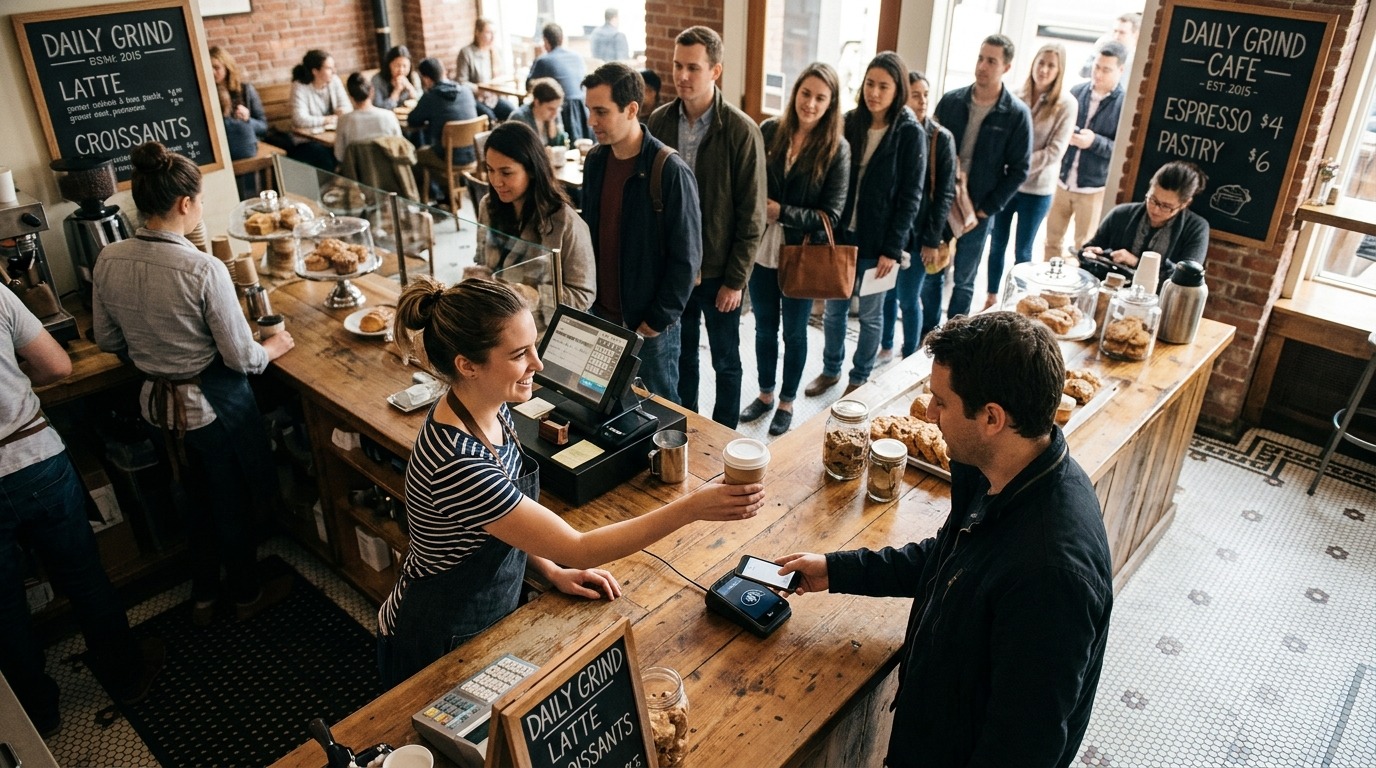
Table turns are revenue. Every minute a server spends walking payment back and forth to a stationary terminal is a minute the next customer is not seated. Mobile NFC terminals brought tableside cuts that cycle in half. At the bar, contactless transactions keep the line moving during peak hours without requiring a second staff member.
Quick-service and fast-casual formats benefit even more directly. The contactless transaction ceiling typically $100 in the U.S. without PIN requirement covers the overwhelming majority of food-and-beverage purchases. Most customers will never be prompted for a PIN. They tap. They go. You turn to the next customer.
Retailers
Retail checkout lines are a studied and documented source of cart abandonment, particularly in brick-and-mortar environments competing against the frictionless convenience of e-commerce. A customer who waits 90 seconds in line to buy a $30 item recalibrates the perceived value of that transaction. A customer who taps and exits in 10 seconds does not.
For high-volume retailers grocery, pharmacy, convenience contactless infrastructure also reduces the pressure on checkout staff during peak periods. Transactions that move faster require less intervention and fewer error recoveries.
Healthcare Practices
Front-desk payment collection in healthcare occupies a uniquely sensitive environment. Patients managing a diagnosis, a procedure, or a difficult visit do not want extended checkout friction. The administrative burden already runs high. Tap-to-pay cards and digital wallets reduce the time and tactile interaction required to close a visit, a factor that contributes measurably to patient satisfaction scores that increasingly affect practice reputation and reimbursement structures.
Contactless paymentinfrastructure also supports HIPAA-aligned workflows that minimize paper handling and reduce the surface area for data exposure at the point of payment.
Contractors
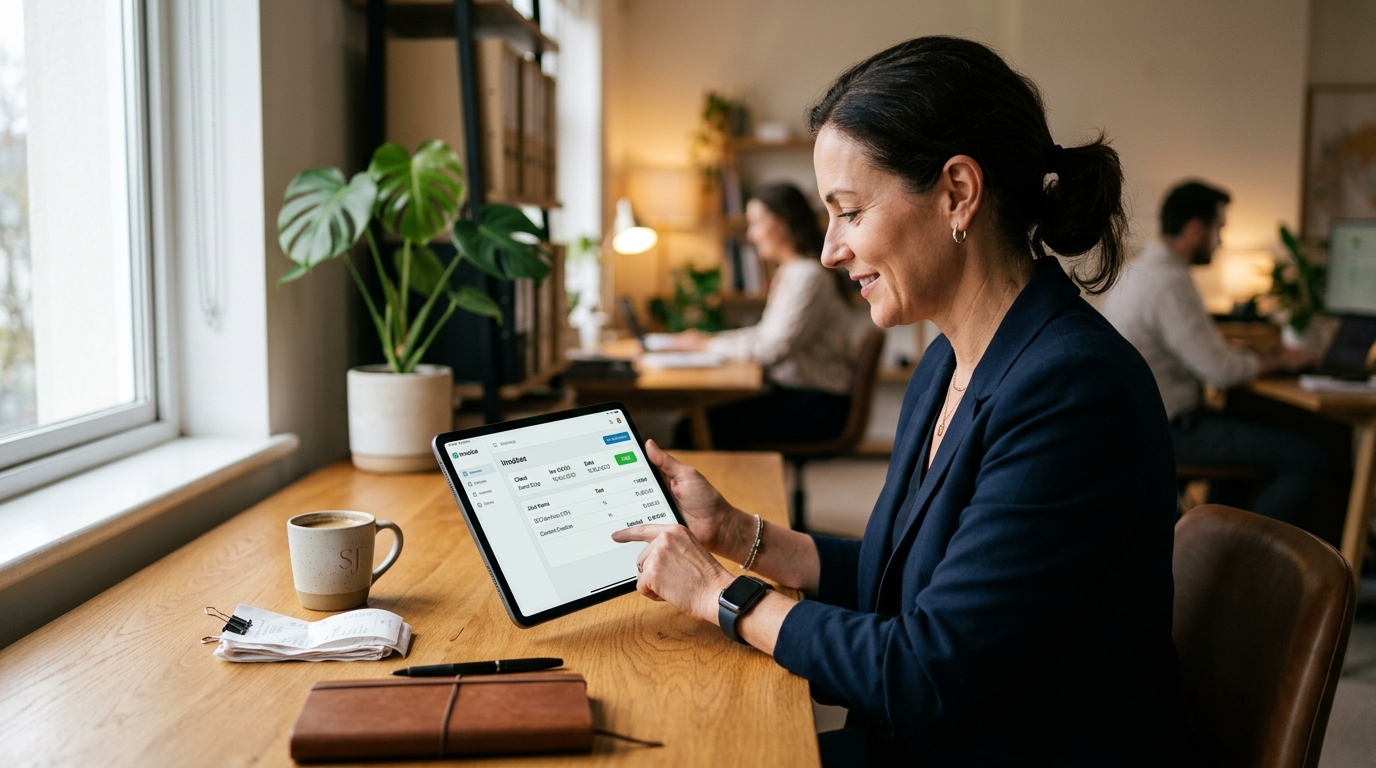
Collecting payment in the field on a job site, at a customer's property, upon project completion has historically required invoicing delays, check collection, or clunky workarounds. Mobile NFC readers paired with smartphone-based payment processing eliminate that gap. A contractor with a tap-enabled card reader closes the transaction at the point of completion. Payment collects faster. Cash flow improves. The customer experience ends on a professional note.
E-Commerce Merchants
For online merchants, the contactless ecosystem connects directly to the checkout conversion problem. Digital wallet payments Apple Pay, Google Pay, PayPal One Touch reduce checkout to a biometric confirmation on a device the customer already has in their hand. The multi-field form that produces abandonment at the final step of a purchase is replaced by a single tap or face scan. Conversion rates at checkout improve when the friction of entering card details disappears.
The Security Architecture of Contactless Transactions
Every contactless transaction uses dynamic tokenization. The card number stored in a digital wallet or transmitted from a tap-to-pay card is not the actual account number. It is a surrogate token, unique to that transaction or to that device-network relationship, that cannot be reused by a third party who intercepts it. Traditional magnetic stripe transactions, by contrast, transmit static card data that can be cloned.
The real security concern for most merchants is not technology. It is the terminal environment. NFC payments processed through a PCI DSS-compliant terminal, on a payment stack that maintains current security certifications, operate within an architecture specifically designed to prevent fraud. The question to ask of your payment processor is not whether contactless is secure. It is whether your current processing setup maintains the certifications that protect every transaction you accept.
The Verdict
Contactless payments are not a feature you add to improve your checkout experience. They are the baseline your customers already expect. Every business operating without NFC payment capability is not offering a traditional payment experience, it is offering a degraded one, measured against a standard that the market has already set.
The benefits are not marginal. Faster checkout, higher transaction throughput, reduced friction, stronger security, better customer experience, and improved conversion for online merchants all follow from a payment stack that accepts the tap. These are not projections. They are documented outcomes in every industry vertical where contactless infrastructure has been deployed at scale.
DATA ONE builds payment solutions that put contactless capability at the center of every merchant relationship we support. Whether you are a restaurant group with 40 locations or a solo contractor closing jobs in the field, your payment infrastructure should work as fast as your business does.
Lorem ipsum dolor sit amet, consectetur adipiscing elit. Suspendisse varius enim in eros elementum tristique. Duis cursus, mi quis viverra ornare, eros dolor interdum nulla, ut commodo diam libero vitae erat. Aenean faucibus nibh et justo cursus id rutrum lorem imperdiet. Nunc ut sem vitae risus tristique posuere.
Card Style Two
It has survived not only five centuries, but also the leap into electronic typesetting, remaining essentially unchanged.
What is the difference between NFC payments and contactless payments?
NFC (near-field communication) is the specific wireless technology that powers most contactless payment transactions. When someone refers to contactless payments, they are almost always describing NFC-based transactions executed via tap-to-pay cards, smartphones, or wearables.
Do I need special equipment to accept contactless payments?
Yes. Your payment terminal must be NFC-enabled. Most terminals manufactured in the last five years include NFC capability, though it is sometimes disabled by default. Your payment processor enables NFC functionality during terminal setup or through a configuration update.
Are digital wallet payments like Apple Pay and Google Pay the same as contactless card payments?
They use the same NFC infrastructure and process through the same merchant terminal. The key difference is that digital wallet payments generate a one-time transaction token at the device level, adding a layer of security beyond what a physical contactless card provides.
What is the transaction limit for tap-to-pay cards without a PIN?
In the United States, the standard contactless transaction limit without PIN verification is $100. Transactions above this threshold prompt for PIN entry. Limits vary by country and by issuing bank policy.
Is touch-free checkout more expensive to process than chip transactions?
Processing fees for contactless transactions are determined by the same interchange structure as chip-and-PIN transactions of the same card type and network. There is no contactless surcharge applied by card networks. Your processing costs are a function of your rate structure with your payment processor, not the contact method.
configured to accept contactless payments, your payment processor can confirm and enable the functionality.
Brooklyn Simmons
Blocks/Grid
Fusce at sapien turpis. Aliquam at purus posuere, mattis sapien nec, dignissim ipsum. Cras ac auctor eros, sagittis euismod ante. Nunc non luctus orci. Vivamus ultrices cursus nisi sed vehicula.
Proin dapibus, sapien a suscipit sodales, justo velit placerat quam, sit amet efficitur nunc est congue quam. Phasellus varius congue tellus, non dictum ligula consectetur eu. Nam lobortis varius eros. Nulla diam augue, suscipit id pellentesque in, tristique id sapien. Vestibulum congue lorem ac turpis pulvinar ultricies.
Mauris tristique, urna hendrerit ornare viverra, diam nibh vestibulum nulla, sit amet porttitor massa magna at elit. Curabitur nec diam ac nulla interdum ultrices vel non nisi. Nunc ut vehicula mauris. Ut facilisis cursus hendrerit. Suspendisse facilisis auctor nibh sit amet tempus. Sed scelerisque sit amet lectus tristique varius.
Lorem ipsum dolor sit amet, consectetur adipiscing elit. Suspendisse varius enim in eros elementum tristique. Duis cursus, mi quis viverra ornare, eros dolor interdum nulla, ut commodo diam libero vitae erat. Aenean faucibus nibh et justo cursus id rutrum lorem imperdiet. Nunc ut sem vitae risus tristique posuere.
Contactless payments are no longer optional; they're the standard your customers expect. Learn how tap-to-pay cards drive faster checkout and real revenue growth.
Courtney Henry
May 6, 2026
There are many variations of passages of Lorem Ipsum available, but the majority have suffered alteration in some form,
Oops! Something went wrong while submitting the form.
Guest
6 hours ago
Lorem ipsum dolor sit amet, consectetur adipiscing elit. Suspendisse varius enim in eros elementum tristique. Duis cursus, mi quis viverra ornare, eros dolor interdum nulla, ut commodo diam libero vitae erat. Aenean faucibus nibh et justo cursus id rutrum lorem imperdiet. Nunc ut sem vitae risus tristique posuere.
Oops! Something went wrong while submitting the form.
Guest
•
6 hours ago
Lorem ipsum dolor sit amet, consectetur adipiscing elit. Suspendisse varius enim in eros elementum tristique. Duis cursus, mi quis viverra ornare, eros dolor interdum nulla, ut commodo diam libero vitae erat. Aenean faucibus nibh et justo cursus id rutrum lorem imperdiet. Nunc ut sem vitae risus tristique posuere.
Ready to Build the Right Payment System for Your Business?
Speak with a Data One payments specialist to design a solution aligned with how your business operates — from payments and POS to software and growth tools.


.svg)