Cross Border Payments: What Your Processor Isn't Telling You
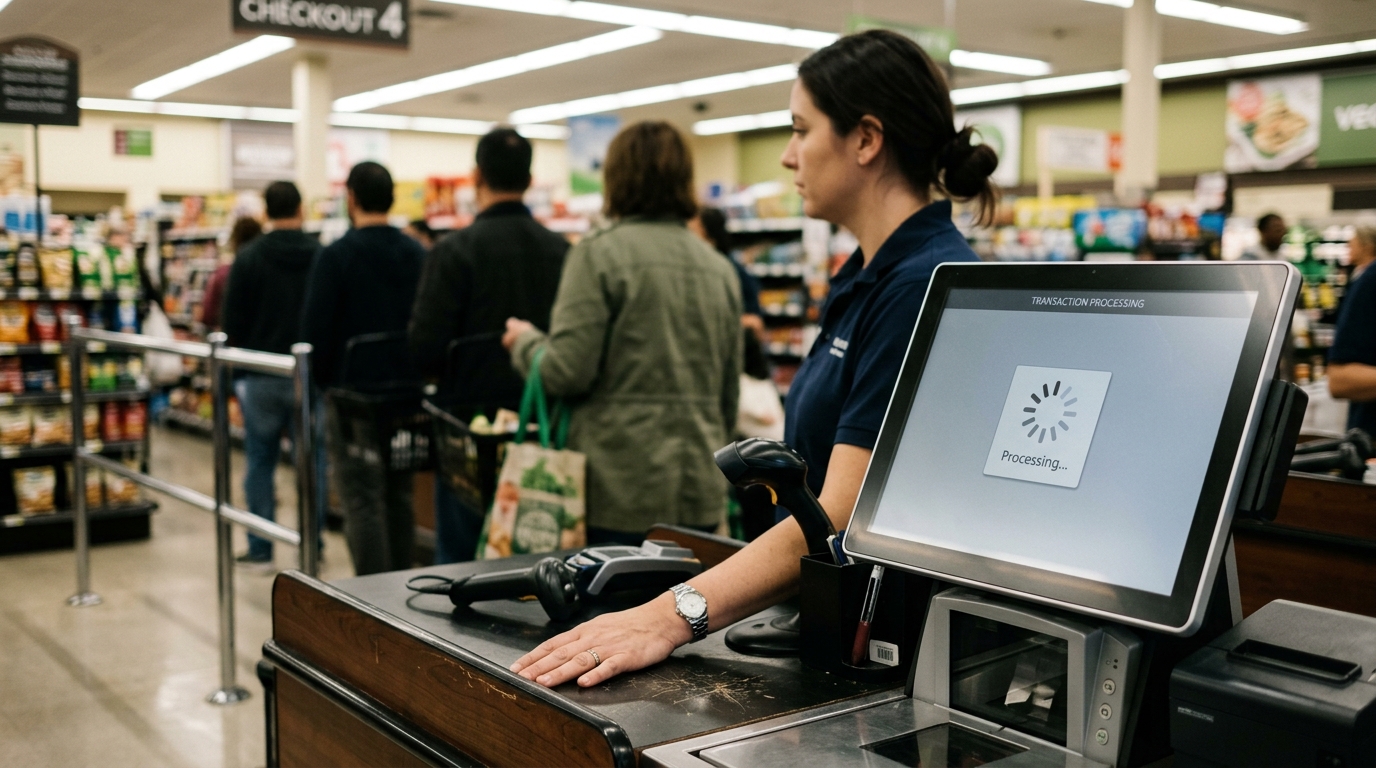
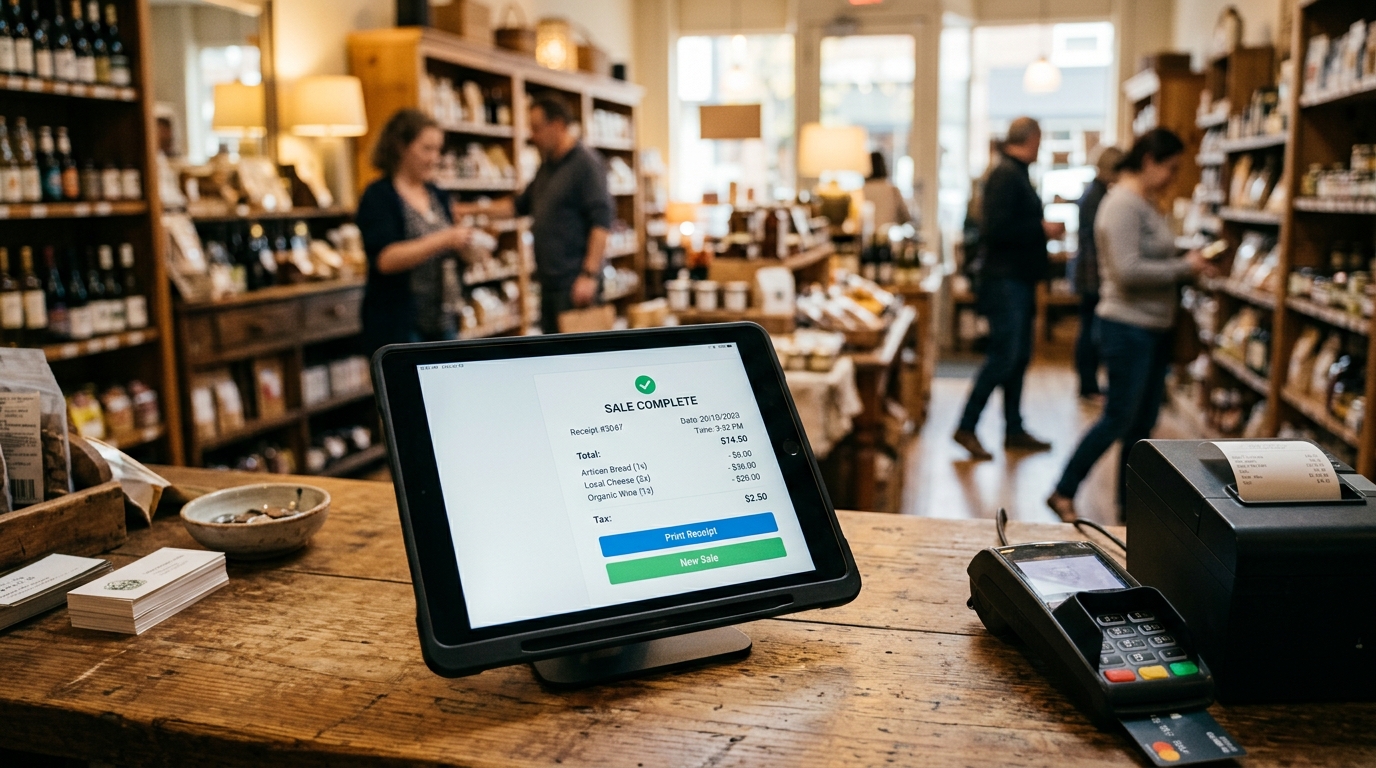
The sale went through. The customer is in Germany, your business is in Texas, and the checkout confirmed payment. You shipped the order.
Three days later, the funds haven't been settled. You check your dashboard. There's a conversion fee you didn't pay for, a cross-border interchange charge buried in the transaction detail, and a net deposit that's about four percent lighter than expected.
Nobody lied to you. They just didn't tell you.
That's how cross-border payments work when your processor doesn't think you need to understand them. That’s exactly where Dataonems helps businesses by breaking down international transaction fees, cross-border interchange costs, and currency conversion charges so merchants can see exactly what happens to every dollar after an overseas sale.
What's Actually Happening Behind the Transaction
Where the Real Problems Live
Currency conversion is the obvious one. But it's not the only place the margin disappears.
Payment failure rates on international transactions run significantly higher than domestic. A customer's bank may block a foreign charge automatically. The billing address doesn't match the card's country. The issuer applies a stricter fraud filter to cross-border purchases. Any one of these rejects the transaction silently the customer sees a decline, assumes something is wrong, and leaves.
That's not a fraud event. That's a revenue event. Every failed international transaction that could have been cleared with better routing or more capable infrastructure is a sale you didn't make.
Then there's the localization gap. Customers in Europe, Southeast Asia, and Latin America don't all prefer card payments. Regional bank transfer networks, digital wallets, and local payment methods handle significant transaction volume in many markets. A U.S.-centric payment setup that only accepts Visa and Mastercard doesn't just create friction; it closes the door on entire customer segments who have money and intent to spend it.
What Good International Payment Infrastructure Looks Like
A processor built for cross-border commerce doesn't just accept foreign cards. They tell you what you're paying at every layer. They support settlement in multiple currencies so you can decide when and how to convert rather than accepting whatever rate applies at the moment your batch closes. They give you reporting that shows international transaction performance separately, so you can actually see which markets are profitable and which ones are costing you.
They also help you reduce decline rates through intelligent payment routing sending transactions through the network path most likely to result in authorization, rather than defaulting to a single route that works fine domestically and struggles internationally.
Fraud management matters too. Cross-border commerce carries higher fraud risk. But the right fraud posture isn't a wall, it's a filter. Aggressive fraud blocks don't protect revenue. They block legitimate customers while costing you the sale. The system should catch bad actors and clear good ones. That requires infrastructure designed for international transaction patterns, not a domestic tool with a geography filter added.
The Transparency Test
Here's the test for your current setup: pull a recent international transaction from your processor dashboard. Find the original charged amount, the conversion rate applied, the cross-border fee, and the net amount deposited. If you can't surface those four numbers from a single transaction record in under two minutes, your processor is not built for the way you operate.
Opacity is a choice. When a processor makes it impossible to see what a transaction actually costs, they are protecting their margin at your expense. That is not a technical limitation. It is a business model.
International business payments require the same clarity as domestic ones. The complexity of moving money across borders does not justify a fee structure that requires a forensic accounting exercise to understand.
DATA ONE structures pricing transparently. Before you process a single international transaction, you know what you're paying. After the transaction settles, the numbers match. That's not exceptional service. That's what this should have been from the start.
See what your current international transactions are actually costing. Get your free audit →
Tables
These unsightly stains
Noticing brown spots on your ceiling
How Infectious Diseases Affect the Brain
Laudantium totam
Was sollte alles in einem stehen?
Accusantium doloremque
Using sound to model the world
Nemo enim ipsam
Common Skin Care Myths
Eritatis et quasi
Cards
Card Style One
Lorem ipsum dolor sit amet, consectetur adipiscing elit. Suspendisse varius enim in eros elementum tristique. Duis cursus, mi quis viverra ornare, eros dolor interdum nulla, ut commodo diam libero vitae erat. Aenean faucibus nibh et justo cursus id rutrum lorem imperdiet. Nunc ut sem vitae risus tristique posuere.
Card Style Two
It has survived not only five centuries, but also the leap into electronic typesetting, remaining essentially unchanged.
Why do cross border payments cost more than domestic transactions?
International transactions add layers that domestic ones don't. Currency conversion carries a spread typically a margin above the mid-market exchange rate that your processor controls. Cross-border interchange fees are charged by card networks like Visa and Mastercard on transactions where the customer's bank and the merchant's bank are in different countries. Depending on the payment route, correspondent bank fees may also apply. Most processors present these as a combined effective rate rather than breaking out each component, which makes it difficult to understand where margin is being lost.
What causes international payment failures?
International transactions fail at higher rates than domestic ones for several reasons: issuing banks in other countries apply different fraud filters that may auto-decline foreign charges; billing address mismatches that wouldn't flag a domestic card trigger declines internationally; and some card networks have regional authorization rules that vary by country. Better payment routing choosing the network path most likely to result in authorization for a given card's country of origin reduces failure rates significantly.
Does accepting international payments require separate payment infrastructure?
Not always, but your existing setup needs to be evaluated honestly. A processor optimized for domestic transactions will often have weak currency conversion terms, limited international network relationships, and no localized payment method support. The question to ask is: does your processor show you line-by-line cost breakdowns for international transactions? If not, you're operating blind in a cost environment that can erode margins quickly.
What are foreign transaction payments and how do they differ from standard charges? Foreign transaction payments refer to any transaction where the customer's payment method is issued by a bank in a different country than the merchant. These carry additional costs both at the network level through cross-border interchange and at the processor level through currency conversion margins. The "foreign transaction fee" that consumers see on their bank statements is the consumer-side charge. The merchant-side cost is separate and operates through your processing agreement.
How does localization affect international conversion rates?
Displaying prices in a customer's local currency, supporting their preferred regional payment methods, and providing clear refund and conversion policies all improve checkout completion. Customers who see prices in a foreign currency with an unclear conversion face two decisions instead of one whether to buy, and whether to accept the conversion math. Removing that second decision increases authorization rates and reduces cart abandonment in international markets
Brooklyn Simmons
Blocks/Grid
Fusce at sapien turpis. Aliquam at purus posuere, mattis sapien nec, dignissim ipsum. Cras ac auctor eros, sagittis euismod ante. Nunc non luctus orci. Vivamus ultrices cursus nisi sed vehicula.
Proin dapibus, sapien a suscipit sodales, justo velit placerat quam, sit amet efficitur nunc est congue quam. Phasellus varius congue tellus, non dictum ligula consectetur eu. Nam lobortis varius eros. Nulla diam augue, suscipit id pellentesque in, tristique id sapien. Vestibulum congue lorem ac turpis pulvinar ultricies.
Mauris tristique, urna hendrerit ornare viverra, diam nibh vestibulum nulla, sit amet porttitor massa magna at elit. Curabitur nec diam ac nulla interdum ultrices vel non nisi. Nunc ut vehicula mauris. Ut facilisis cursus hendrerit. Suspendisse facilisis auctor nibh sit amet tempus. Sed scelerisque sit amet lectus tristique varius.
Lorem ipsum dolor sit amet, consectetur adipiscing elit. Suspendisse varius enim in eros elementum tristique. Duis cursus, mi quis viverra ornare, eros dolor interdum nulla, ut commodo diam libero vitae erat. Aenean faucibus nibh et justo cursus id rutrum lorem imperdiet. Nunc ut sem vitae risus tristique posuere.
Cross border payments cost more and fail more than you think. DATA ONE breaks down how international payments actually work and what's eating your margin.
Courtney Henry
May 6, 2026
There are many variations of passages of Lorem Ipsum available, but the majority have suffered alteration in some form,
Oops! Something went wrong while submitting the form.
Guest
6 hours ago
Lorem ipsum dolor sit amet, consectetur adipiscing elit. Suspendisse varius enim in eros elementum tristique. Duis cursus, mi quis viverra ornare, eros dolor interdum nulla, ut commodo diam libero vitae erat. Aenean faucibus nibh et justo cursus id rutrum lorem imperdiet. Nunc ut sem vitae risus tristique posuere.
Oops! Something went wrong while submitting the form.
Guest
•
6 hours ago
Lorem ipsum dolor sit amet, consectetur adipiscing elit. Suspendisse varius enim in eros elementum tristique. Duis cursus, mi quis viverra ornare, eros dolor interdum nulla, ut commodo diam libero vitae erat. Aenean faucibus nibh et justo cursus id rutrum lorem imperdiet. Nunc ut sem vitae risus tristique posuere.
Ready to Build the Right Payment System for Your Business?
Speak with a Data One payments specialist to design a solution aligned with how your business operates — from payments and POS to software and growth tools.





.svg)