Ecommerce Payment Gateway: A Complete Guide for Online Businesses
The customer found the product. They read the description. They checked the size, compared the price, and made the decision. They clicked Add to Cart.
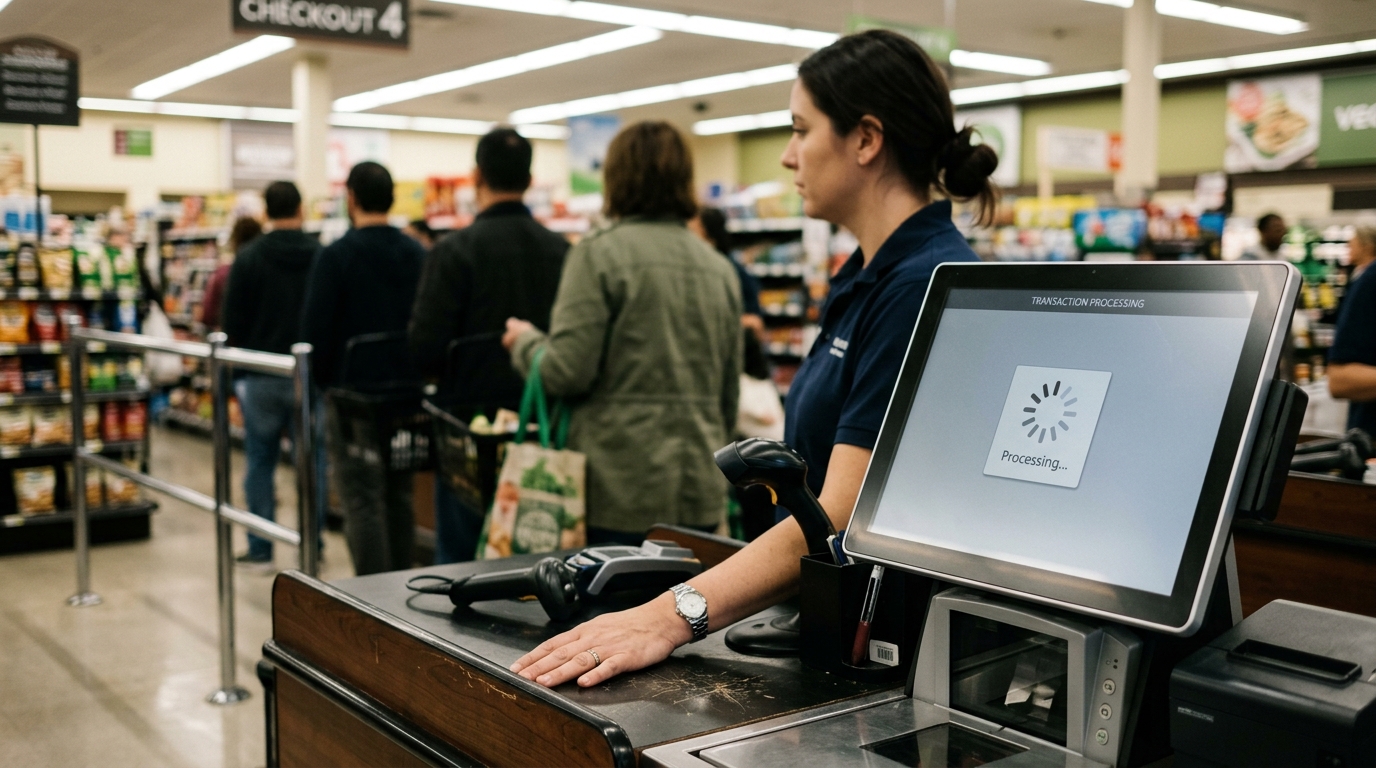
Then they hit the checkout.
The page loaded slowly. The card form asked for fields in the wrong order. The site didn't recognize their digital wallet. A security warning flashed, ambiguous, unresolved. They closed the tab.
This is not a hypothetical. It is the most common point of revenue loss in e-commerce, and it happens on sites that have invested thousands in product photography, ad spend, and SEO but nothing in a properly configured ecommerce payment gateway.
The checkout moment is the entire point. Everything before it is marketing. Everything after it is operations. The gateway is where the money actually moves or doesn't.
Dataonems builds and configures ecommerce payment gateways that don't lose customers at the last step. Fast, secure, wallet-ready checkout experiences that convert the decision your customer already made.
What an Ecommerce Payment Gateway Actually Does
Anecommerce payment gateway is the technology layer that authorizes and routes card and digital payment transactions between your online store and the financial networks that settle them.
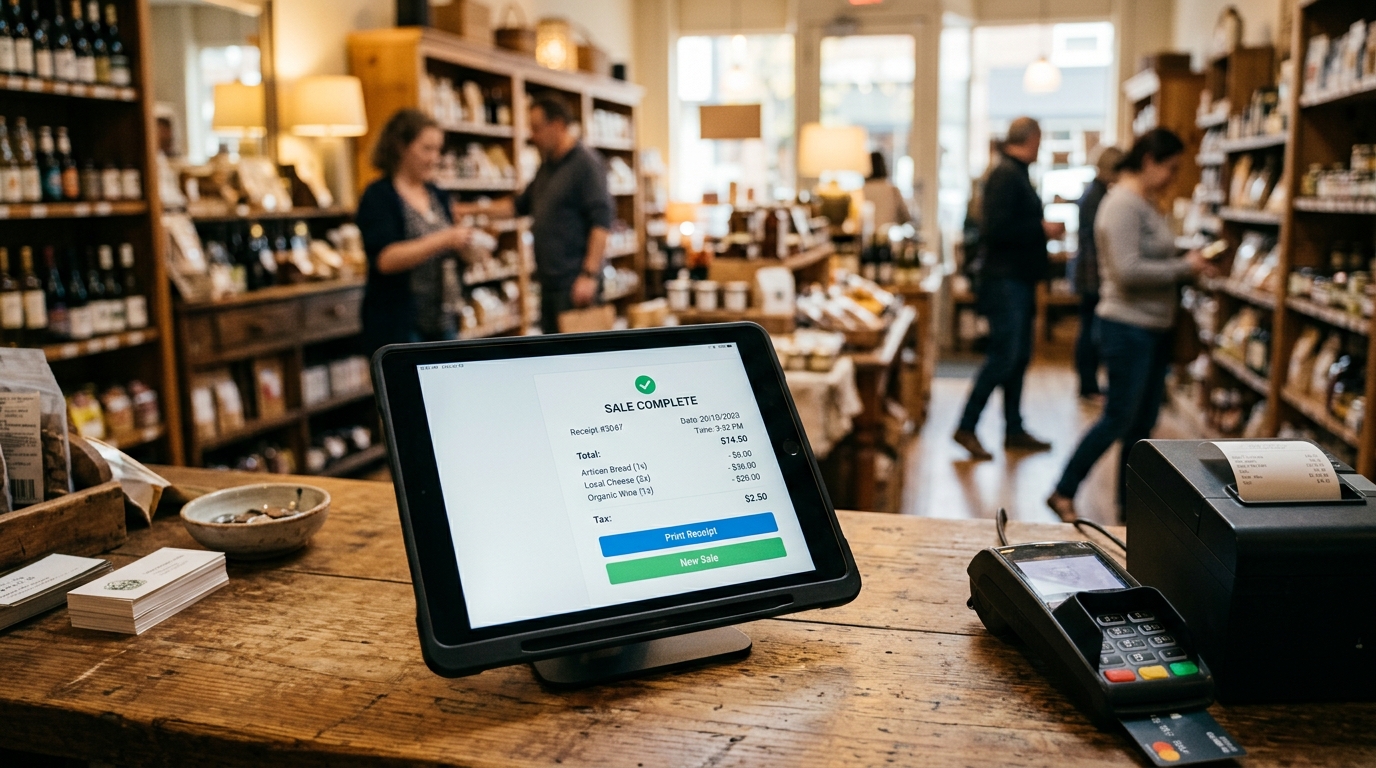
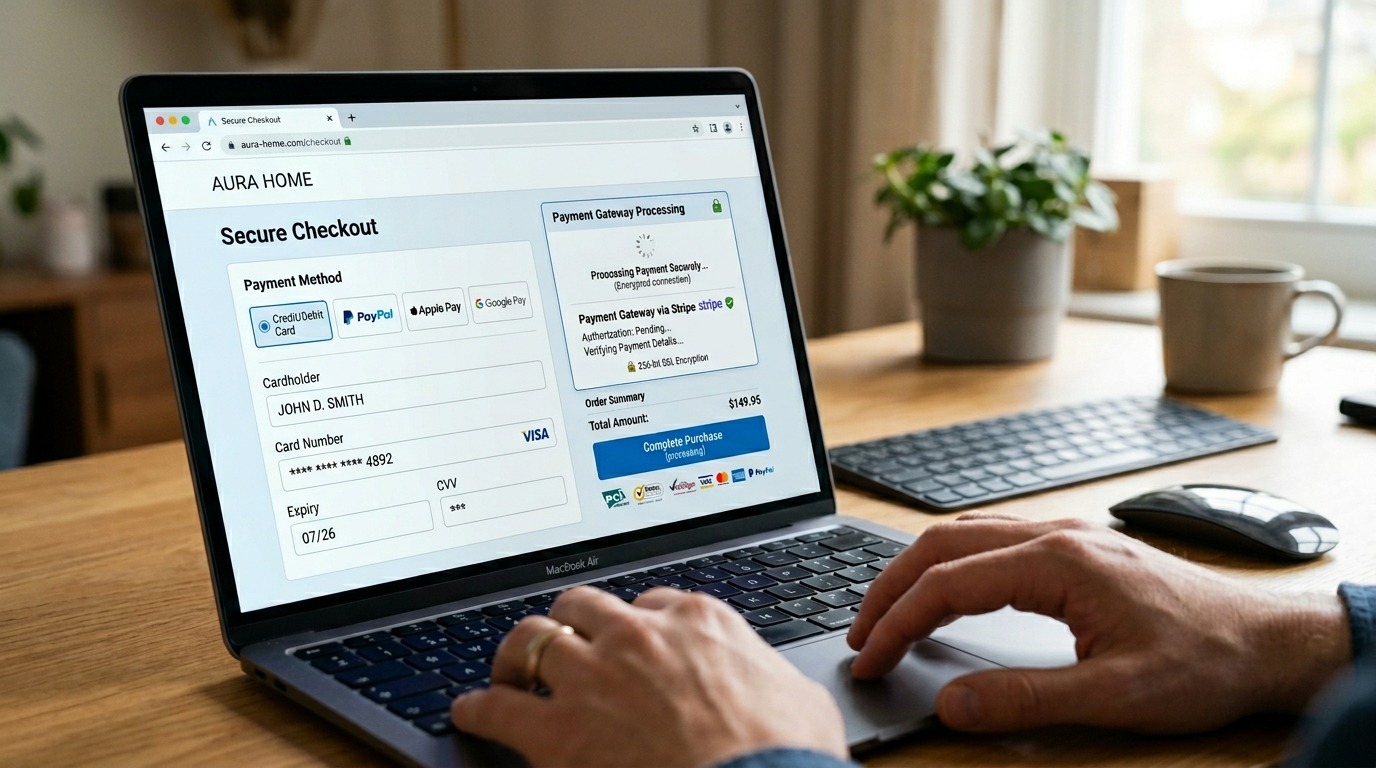
When a customer enters their card details at checkout, the gateway encrypts that data, transmits it to the payment processor, receives the authorization response from the issuing bank, and returns a success or decline to the storefront all within seconds. The customer sees Payment Confirmed. Behind that message is a precise sequence of encrypted communications that the gateway executes on every single transaction.
A gateway is not the same as a payment processor. The processor moves the money. The gateway is the secure communication layer that makes the authorization request in the first place. Both are required. What varies is how cleanly they are integrated into your storefront, how many payment methods they support, and how much friction they introduce at the moment your customer is ready to pay.
For businesses running on Shopify, the Shopify payment gateway configuration determines which payment methods appear at checkout, how the form renders on mobile, and whether Shop Pay, Apple Pay, and Google Pay are available as one-tap options. For WooCommerce merchants, the woocommerce payment gateway plugin selection controls the same variables with the added complexity of self-hosted infrastructure that requires more deliberate security configuration.
The gateway is not a commodity decision. It is a checkout architecture decision, and the wrong one costs revenue on every transaction it makes harder than it needs to be.
The Real Cost of Checkout Friction
Cart abandonment averages above 70% across e-commerce globally. The checkout stage, specifically the payment form, is where the largest share of those abandonments occur. This is not a marketing problem. It is an infrastructure problem.
Customers abandon the payment step for three primary reasons: the checkout process is too complicated, the site doesn't feel secure, or their preferred payment method isn't available. Every one of these is a direct consequence of gateway configuration, not customer behavior.
Complexity Kills Conversion
A checkout form that asks for redundant information, requires account creation before purchase, or forces a redirect to a third-party payment page introduces friction at the exact moment the transaction should be frictionless. Every additional step between Place Order and Payment Confirmed is a statistical drop in conversion.
A well-configured online store payment gateway presents a native, embedded checkout form that keeps the customer on your site, pre-fills known fields, and reduces the payment entry to the minimum required inputs. The fewer the fields, the higher the conversion rate. This is not a design principle, it is a measurable, reproducible outcome.
Trust Signals Are Infrastructure
Customers read checkout pages for signals that their financial data is protected. A secure checkout gateway presents SSL certification, recognizable payment brand logos, and a checkout environment that visually matches the store they've been browsing. When any of those signals are missing an expired certificate, a generic payment form with no branding, a redirect to an unfamiliar domain a meaningful percentage of customers interpret that as a security risk and leave.
The trust infrastructure that keeps customers in the checkout flow is built into the gateway itself. It is not something you add with a badge graphic. It is the result of using a properly configured, PCI-compliant payment system from the start.
Shopify and WooCommerce Gateway Configuration Where Most Businesses Get It Wrong
The two most widely used e-commerce platforms in the world give merchants significant control over their checkout experience. Most merchants don't use it.
The shopify payment gateway ecosystem is extensive. Shopify Payments is the default option, and it works but it is not the right configuration for every merchant. International businesses, high-volume sellers, and merchants in certain product categories need gateway flexibility that Shopify Payments doesn't provide. The platform supports third-party gateway integration, but each gateway adds a transaction fee on top of Shopify's own processing rate unless Shopify Payments is active. This fee structure penalizes merchants who need gateway flexibility and rewards those who configure correctly from the start.
For WooCommerce merchants, the woocommerce payment gateway decision is more consequential because the platform is self-hosted. Stripe, PayPal, Square, Authorize.net, and dozens of regional gateways integrate via plugin but plugin selection, version maintenance, and SSL configuration are the merchant's responsibility. A WooCommerce store running an outdated gateway plugin is not just behind on features. It is running a security vulnerability at the most sensitive point of the customer transaction.
configures payment gateway integrations for both platforms with a focus on three outcomes: maximum payment method coverage, minimum checkout friction, and full PCI compliance from day one not as an afterthought.
Security, Compliance, and What Secure Checkout Actually Requires
PCI DSS compliance is not optional for businesses that accept card payments online. It is a contractual requirement from every major card network Visa, Mastercard, American Express, and Discover and non-compliance carries financial penalties, higher processing rates, and liability for fraud losses.
What PCI compliance actually requires depends on how your gateway handles card data. A gateway that tokenizes card data at the point of entry meaning the raw card number never touches your server dramatically reduces your compliance scope. Your store passes a token to the gateway; the gateway handles the sensitive data. This is the architecture a website card gateway should operate on, and it is the architecture deployed.
A gateway that transmits raw card data through your server, even briefly, places you in a higher PCI compliance tier with more extensive annual audit requirements. Most merchants who end up there don't know they're there until a breach, a chargeback dispute, or an annual audit surfaces the exposure.
The secure checkout gateway is not just a customer experience feature. It is the boundary between manageable operational risk and catastrophic financial liability.
Payment Data as a Business Intelligence Asset
Every transaction processed through your gateway generates data. The question is whether your gateway configuration makes that data accessible and useful or buries it in a report format no one reads.
Payment data tells you which payment methods your customers actually prefer (not which ones you assumed they'd use), at what point in the checkout flow declines concentrate, what time of day your conversion rate peaks, and which customer segments abandon at payment versus earlier in the funnel.
This intelligence shapes decisions that go far beyond checkout. A merchant who discovers that 30% of their customers attempt checkout with a payment method they don't currently support has a revenue recovery opportunity that no marketing campaign can replicate. A merchant who identifies a consistent spike in declined transactions on a specific card type has a processing configuration problem that is suppressing revenue invisibly.
gateway reporting surfaces this data in formats that drive action not just documentation. The payment intelligence from your transactions belongs in your business decisions, not locked in a processor's back-end portal.
Choosing the Right Ecommerce Payment Gateway for Your Business
The gateway selection decision comes down to five variables that every merchant must evaluate honestly against their actual operating profile.
Transaction volume and processing rates are the first filter. Gateway fees vary significantly flat rate, interchange-plus, and tiered pricing structures each have a different breakeven volume. The right pricing model for a store doing $20,000 per month is not the right model for a store doing $500,000. Processing costs at scale are a material line item, and optimizing them requires knowing your actual interchange categories, not just your blended rate.
Payment method coverage is the second variable. Your customers use cards, digital wallets, buy-now-pay-later options, and in some markets, local payment methods that major gateways don't support natively. A gateway that doesn't support the payment methods your customers use is a gateway that turns away money.
Platform compatibility determines your integration path. The shopify payment gateway options differ from the woocommerce payment gateway ecosystem in meaningful ways: fee structures, plugin architecture, and checkout customization capabilities all vary. Your gateway needs to be selected in the context of your platform, not in isolation.
Chargeback and fraud tools separate commodity gateways from enterprise-grade payment infrastructure. Automated fraud detection, velocity rules, and 3D Secure authentication are features that protect your revenue from fraudulent transactions and dispute abuse. They are not optional for merchants at any meaningful volume.
Settlement speed affects your cash flow directly. Gateway settlement timelines range from same-day to three business days depending on the provider and your account configuration. For merchants running on tight inventory cycles, settlement timing is an operational variable, not just a financial one.
The Verdict
Your checkout page is not a formality at the end of the customer journey. It is the moment of financial commitment the only moment in the entire customer relationship where the transaction either completes or it doesn't.
A misconfigured, under-resourced, or poorly integrated ecommerce payment gateway doesn't just inconvenience customers. It turns won sales into lost revenue, systematically and invisibly, on every transaction it makes harder than it needs to be.
The businesses that grow consistently online treat checkout as infrastructure, not as an afterthought. They select their online store payment gateway based on data about their customers and their transaction profile. They configure their secure checkout gateway for both conversion and compliance. They use their payment data to make decisions, not just to reconcile reports.
Every day your gateway is not optimized is a day your checkout is working against your revenue instead of for it.Book your free operations audit →
Tables
These unsightly stains
Noticing brown spots on your ceiling
How Infectious Diseases Affect the Brain
Laudantium totam
Was sollte alles in einem stehen?
Accusantium doloremque
Using sound to model the world
Nemo enim ipsam
Common Skin Care Myths
Eritatis et quasi
Cards
Card Style One
Lorem ipsum dolor sit amet, consectetur adipiscing elit. Suspendisse varius enim in eros elementum tristique. Duis cursus, mi quis viverra ornare, eros dolor interdum nulla, ut commodo diam libero vitae erat. Aenean faucibus nibh et justo cursus id rutrum lorem imperdiet. Nunc ut sem vitae risus tristique posuere.
Card Style Two
It has survived not only five centuries, but also the leap into electronic typesetting, remaining essentially unchanged.
What is an ecommerce payment gateway and why do I need one?
A gateway authorizes and routes card and digital payments between your store and the financial networks that process them. Without one, your store has no mechanism to securely accept online payments every card, wallet, or bank transfer transaction requires.
What's the difference between a gateway and a processor?
The processor moves money between accounts. The gateway is the secure communication layer that requests and receives authorization first. Both are required. Some providers bundle both; others separate them knowing which your provider handles reveals any gaps in your payment stack.
How do I choose between Shopify payment gateway options?
Weigh transaction fees, supported payment methods, and checkout flexibility. Shopify Payments removes extra fees but has country and merchant category restrictions. Third-party gateways offer more flexibility but add per-transaction costs. The right fit depends on your volume, market, and customer preferences.
What does a WooCommerce gateway need for PCI compliance?
WooCommerce is self-hosted, so compliance is your responsibility. Use a gateway that tokenizes card data at entry so raw numbers never touch your server. Keeping SSL active and gateway plugins fully up to date an outdated plugin is both a security and compliance liability.
What makes a secure checkout gateway different?
Tokenization, SSL encryption, PCI DSS certification, and active fraud detection all keep card data off your server. It displays trust signals to customers and maintains audit trails. A gateway missing these features creates liability most merchants only discover after a breach or dispute.
Brooklyn Simmons
Blocks/Grid
Fusce at sapien turpis. Aliquam at purus posuere, mattis sapien nec, dignissim ipsum. Cras ac auctor eros, sagittis euismod ante. Nunc non luctus orci. Vivamus ultrices cursus nisi sed vehicula.
Proin dapibus, sapien a suscipit sodales, justo velit placerat quam, sit amet efficitur nunc est congue quam. Phasellus varius congue tellus, non dictum ligula consectetur eu. Nam lobortis varius eros. Nulla diam augue, suscipit id pellentesque in, tristique id sapien. Vestibulum congue lorem ac turpis pulvinar ultricies.
Mauris tristique, urna hendrerit ornare viverra, diam nibh vestibulum nulla, sit amet porttitor massa magna at elit. Curabitur nec diam ac nulla interdum ultrices vel non nisi. Nunc ut vehicula mauris. Ut facilisis cursus hendrerit. Suspendisse facilisis auctor nibh sit amet tempus. Sed scelerisque sit amet lectus tristique varius.
Lorem ipsum dolor sit amet, consectetur adipiscing elit. Suspendisse varius enim in eros elementum tristique. Duis cursus, mi quis viverra ornare, eros dolor interdum nulla, ut commodo diam libero vitae erat. Aenean faucibus nibh et justo cursus id rutrum lorem imperdiet. Nunc ut sem vitae risus tristique posuere.
An ecommerce payment gateway is the backbone of every online transaction. Learn how DATA ONE helps online businesses accept payments securely and without friction.
Courtney Henry
May 6, 2026
There are many variations of passages of Lorem Ipsum available, but the majority have suffered alteration in some form,
Oops! Something went wrong while submitting the form.
Guest
6 hours ago
Lorem ipsum dolor sit amet, consectetur adipiscing elit. Suspendisse varius enim in eros elementum tristique. Duis cursus, mi quis viverra ornare, eros dolor interdum nulla, ut commodo diam libero vitae erat. Aenean faucibus nibh et justo cursus id rutrum lorem imperdiet. Nunc ut sem vitae risus tristique posuere.
Oops! Something went wrong while submitting the form.
Guest
•
6 hours ago
Lorem ipsum dolor sit amet, consectetur adipiscing elit. Suspendisse varius enim in eros elementum tristique. Duis cursus, mi quis viverra ornare, eros dolor interdum nulla, ut commodo diam libero vitae erat. Aenean faucibus nibh et justo cursus id rutrum lorem imperdiet. Nunc ut sem vitae risus tristique posuere.
Ready to Build the Right Payment System for Your Business?
Speak with a Data One payments specialist to design a solution aligned with how your business operates — from payments and POS to software and growth tools.




.svg)