EMV Payment Processing: What the Chip Actually Does and Why It Matters
Every swipe transaction your terminal accepts is a liability you're carrying. Not a hypothetical one, a documented one, with a paper trail that leads back to you if the fraud gets disputed.
That's what EMV chip card processing was built to eliminate. And the mechanics behind it are worth understanding, because the terminal sitting at your checkout is either protecting your business or exposing it
That’s exactly why businesses work with Dataonems to implement secure payment processing systems, improve EMV compliance, and reduce fraud risk by ensuring their card acceptance infrastructure is properly configured and protected.
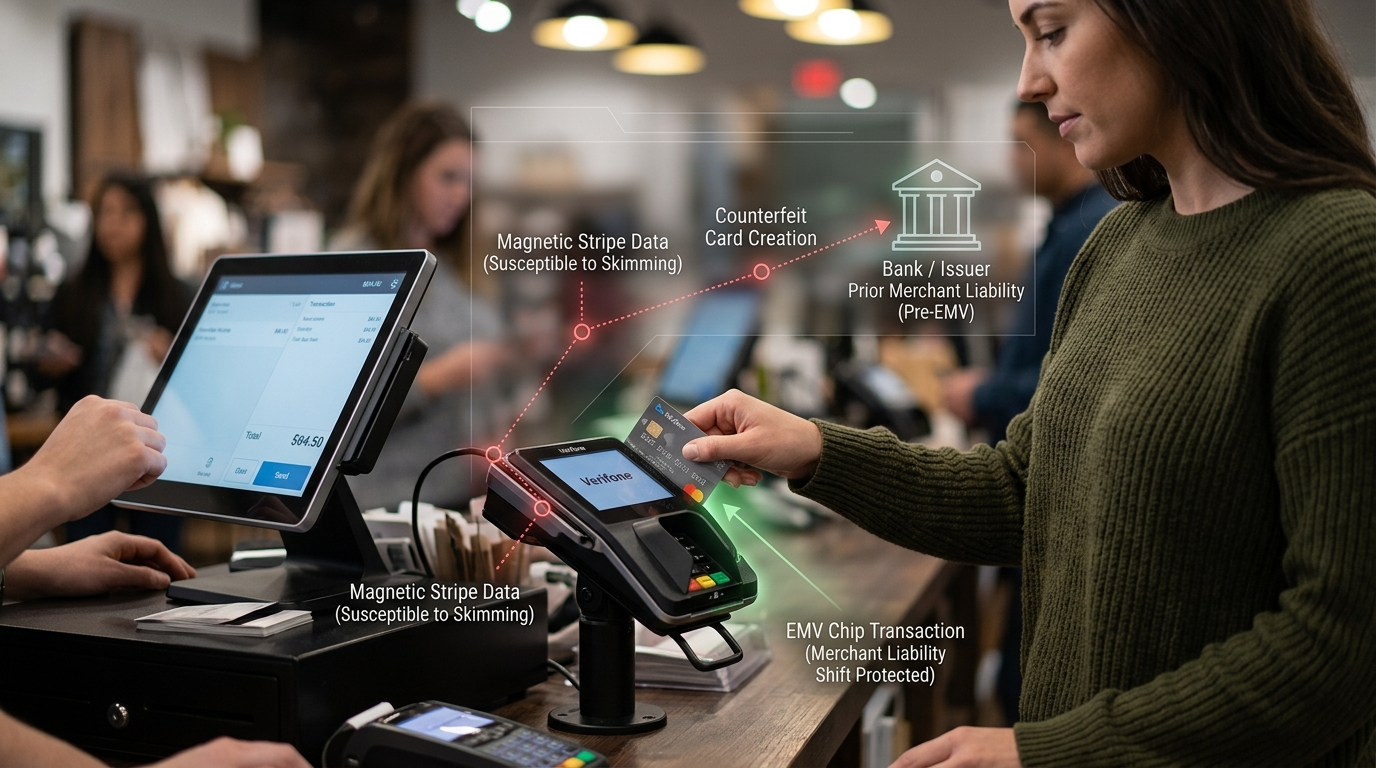
Why the Magnetic Stripe Was a Gift to Fraudsters
How EMV Payment Processing Actually Works
When a customer inserts or taps their chip card, the chip communicates with the terminal through a process called dynamic data authentication.
The chip generates a transaction-specific code different every time, tied to the exact amount, merchant, and timestamp of that purchase. The terminal sends that code through the payment network to the issuing bank. The bank validates it against what it expects for that card. If it matches, the transaction approves.
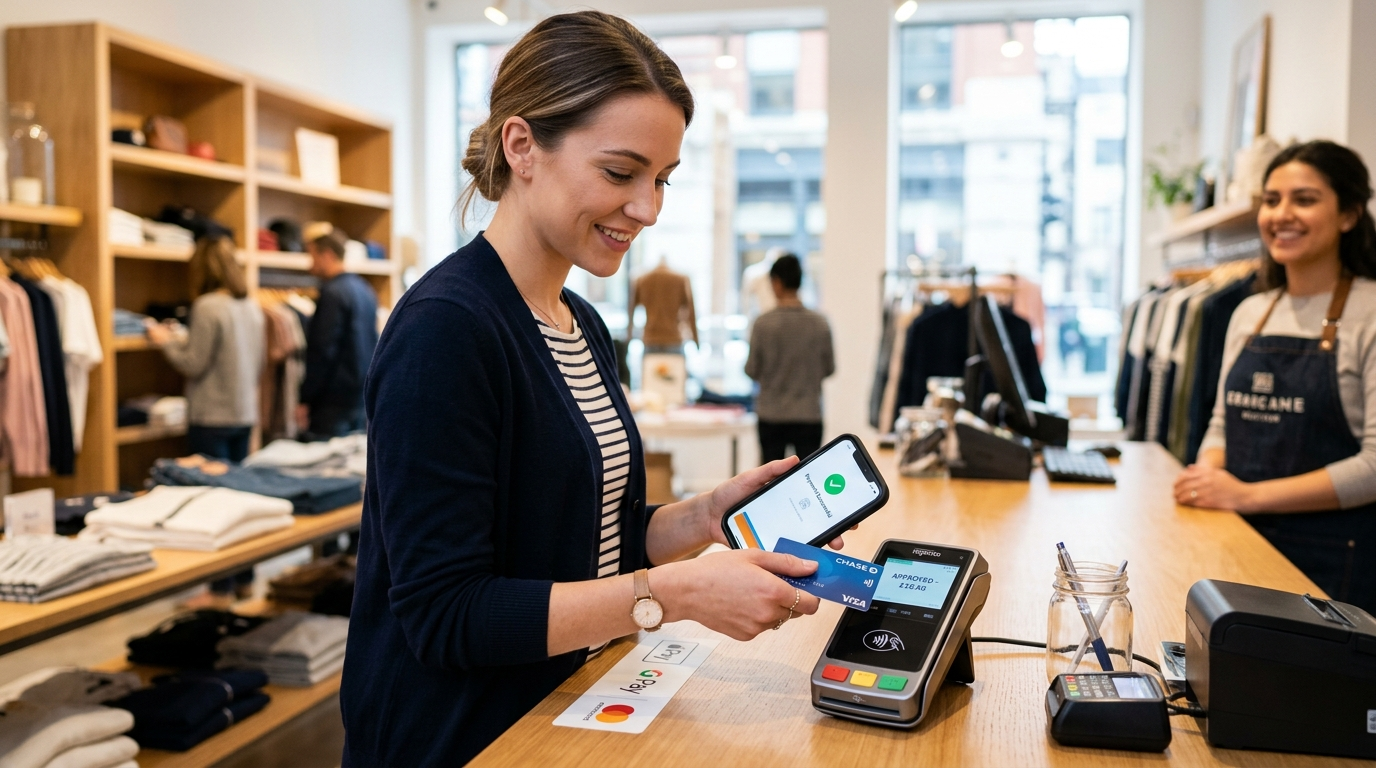
Tap-to-pay transactions work the same way. NFC-based contactless payments use the same EMV cryptographic logic; the communication is wireless, but the security model is identical to chip insert. Apple Pay, Google Pay, and contactless cards all run on EMV under the hood.
Swipe fallback, the option some terminals still allow when a chip read fails, bypasses all of that. It reverts to the static data model. Most processors discourage it. There's a reason for that.
The Liability Shift You May Not Know About
In 2015, the card networks formalized what's known as the liability shift. Before that shift, fraudulent transactions were typically absorbed by the card issuer. After it, the liability moved to whichever party in the transaction had the least secure technology.
In plain terms: if a fraudster uses a chip card at a terminal that only accepts swipes, and the transaction turns out to be fraudulent, the business is on the hook, not the bank. The logic is straightforward. The chip would have caught it. The terminal chose not to use it.
Businesses still running non-EMV terminals are not just behind on technology. They're accepting liability they don't have to carry.
What to Look for in EMV Card Readers and Terminals
Not all terminals are equal. Certified EMV hardware has been validated against the specifications set by Europay, Mastercard, and Visa, the three organizations that established the standard. Uncertified devices may process transactions but offer no guarantee of compliance or protection.
The right terminal for your business depends on your physical setup. Countertop terminals are the standard for retail and service businesses with a fixed checkout location. Mobile EMV readers pair with smartphones for businesses that take payment in the field, such as contractors, service technicians, and delivery operations. Wireless terminals work well in restaurants where payment happens tableside rather than at a central station.
Modern terminals should handle chip insert, contactless tap, and mobile wallet payments from a single device. If yours doesn't, that's the upgrade conversation worth having.
Smart Chip Payment Systems and What They Connect To
The terminal is the front end. What it connects to matters just as much.
Smart chip payment systems integrate with your point-of-sale software to capture transaction data in real time, reconcile against your accounting records, and generate reporting you can actually use. A terminal that processes a chip transaction and feeds nothing into your business intelligence is a missed opportunity.
The better implementations tie payment data to inventory movement, employee performance tracking, and sales trend analysis. Secure EMV processing isn't just about fraud prevention, it's the foundation of the operational data your business runs on.
Secure EMV Processing: What Businesses Get Wrong
The most common mistake is treating EMV as a one-time hardware purchase rather than an ongoing standard. Equipment needs to stay updated. Security patches exist because threat vectors evolve. A terminal that was certified and current three years ago may have known vulnerabilities today if the firmware hasn't been maintained.
The second mistake is allowing swipe fallback too freely. Some terminals are configured to accept a swipe if the chip read fails multiple times. That setting exists for edge cases, not as a routine option. Staff who swipe as a first resort when a chip is slow are bypassing the protection the hardware was installed to provide.
Train your team on correct chip card processing. Inspect card readers regularly for skimming devices, particularly in high-traffic or unattended locations. Enable end-to-end encryption so card data is protected during transmission, not just at the point of entry.
What a Payment Partner Should Do Here
The terminal is your processor's product. If your processor sold you hardware that isn't certified, isn't current, or isn't configured correctly, that's on them. You shouldn't have to audit your own payment infrastructure to find gaps your processor should have flagged.
DATA ONE works with businesses to ensure that what's sitting at the checkout is doing its job. That means certified terminals, current software, correct configuration, and clear reporting on what's processing and how.
If you don't know whether your current setup is EMV-compliant, the answer is worth finding out before a disputed transaction tells it to you.
See what secure processing looks like for your business →
Lorem ipsum dolor sit amet, consectetur adipiscing elit. Suspendisse varius enim in eros elementum tristique. Duis cursus, mi quis viverra ornare, eros dolor interdum nulla, ut commodo diam libero vitae erat. Aenean faucibus nibh et justo cursus id rutrum lorem imperdiet. Nunc ut sem vitae risus tristique posuere.
Card Style Two
It has survived not only five centuries, but also the leap into electronic typesetting, remaining essentially unchanged.
What is EMV payment processing, and how does it differ from a standard swipe?
EMV processing uses a chip embedded in the card that generates a unique cryptographic code for every transaction. That code is useless for any subsequent transaction, making cloned cards functionally worthless. Traditional magnetic stripe swipe stores static data that can be copied and reused, which is why skimming fraud was so prevalent before chip adoption.
What is the EMV liability shift, and does it affect my business?
The liability shift means that if a fraudulent transaction occurs at your terminal and your hardware is less secure than the card being used, you absorb the chargeback, not the bank. If a chip card is used at a swipe-only terminal, the fraud liability falls on the merchant. Any business accepting in-person card payments without EMV-compliant hardware is exposed.
Do EMV terminals also accept contactless and mobile wallet payments?
Most modern EMV-certified terminals support chip insert, contactless tap-to-pay, and mobile wallets like Apple Pay and Google Pay from a single device. Contactless and mobile wallet transactions use the same underlying EMV cryptographic security as chip insert; the communication is wireless, but the protection is equivalent.
What should I look for when choosing an EMV card reader?
Prioritize hardware that is certified by the payment networks, supports all three payment modes (chip, tap, mobile wallet), integrates with your POS software, and receives regular firmware updates. Verify that your provider maintains the equipment's compliance certification over time, not just at the point of sale.
What happens when a chip card is swiped instead of inserted?
The terminal falls back to magnetic stripe processing, which bypasses all of the security protections the chip provides. In a dispute, the processor and card networks will note that the transaction was processed as a swipe on a chip card, and the liability shift may apply. Swipe fallback should be an exception, not a workaround.
Brooklyn Simmons
Blocks/Grid
Fusce at sapien turpis. Aliquam at purus posuere, mattis sapien nec, dignissim ipsum. Cras ac auctor eros, sagittis euismod ante. Nunc non luctus orci. Vivamus ultrices cursus nisi sed vehicula.
Proin dapibus, sapien a suscipit sodales, justo velit placerat quam, sit amet efficitur nunc est congue quam. Phasellus varius congue tellus, non dictum ligula consectetur eu. Nam lobortis varius eros. Nulla diam augue, suscipit id pellentesque in, tristique id sapien. Vestibulum congue lorem ac turpis pulvinar ultricies.
Mauris tristique, urna hendrerit ornare viverra, diam nibh vestibulum nulla, sit amet porttitor massa magna at elit. Curabitur nec diam ac nulla interdum ultrices vel non nisi. Nunc ut vehicula mauris. Ut facilisis cursus hendrerit. Suspendisse facilisis auctor nibh sit amet tempus. Sed scelerisque sit amet lectus tristique varius.
Lorem ipsum dolor sit amet, consectetur adipiscing elit. Suspendisse varius enim in eros elementum tristique. Duis cursus, mi quis viverra ornare, eros dolor interdum nulla, ut commodo diam libero vitae erat. Aenean faucibus nibh et justo cursus id rutrum lorem imperdiet. Nunc ut sem vitae risus tristique posuere.
EMV chip card processing eliminated counterfeit fraud at the point of sale. Here's how it works, what it costs you if you skip it, & what to look for in a terminal.
Courtney Henry
May 6, 2026
There are many variations of passages of Lorem Ipsum available, but the majority have suffered alteration in some form,
Oops! Something went wrong while submitting the form.
Guest
6 hours ago
Lorem ipsum dolor sit amet, consectetur adipiscing elit. Suspendisse varius enim in eros elementum tristique. Duis cursus, mi quis viverra ornare, eros dolor interdum nulla, ut commodo diam libero vitae erat. Aenean faucibus nibh et justo cursus id rutrum lorem imperdiet. Nunc ut sem vitae risus tristique posuere.
Oops! Something went wrong while submitting the form.
Guest
•
6 hours ago
Lorem ipsum dolor sit amet, consectetur adipiscing elit. Suspendisse varius enim in eros elementum tristique. Duis cursus, mi quis viverra ornare, eros dolor interdum nulla, ut commodo diam libero vitae erat. Aenean faucibus nibh et justo cursus id rutrum lorem imperdiet. Nunc ut sem vitae risus tristique posuere.
Ready to Build the Right Payment System for Your Business?
Speak with a Data One payments specialist to design a solution aligned with how your business operates — from payments and POS to software and growth tools.



.svg)