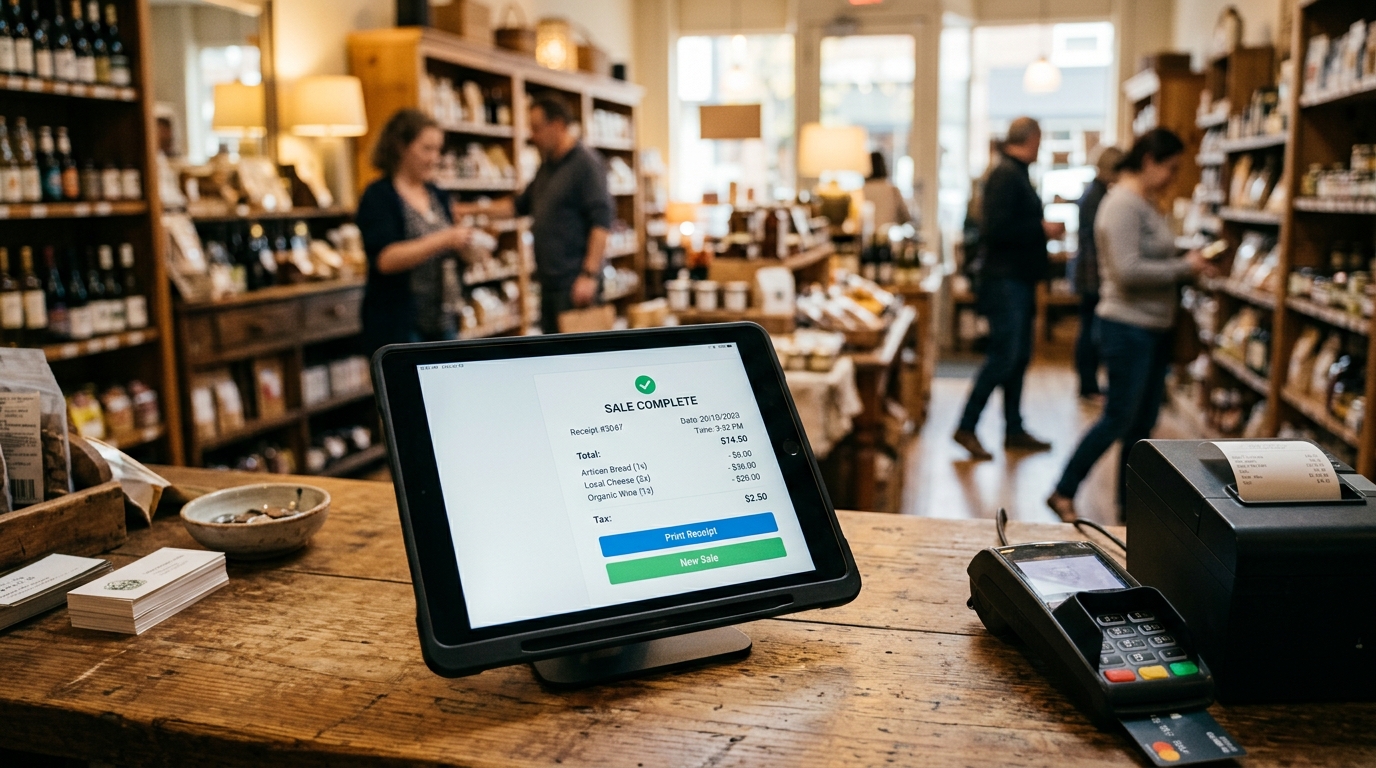
Healthcare Payment Processing: What Your Clinic Is Actually Owed
Your processor doesn't understand healthcare. They understand retail. They built their system for it. Then they handed it to your front desk and called it a solution.
The result is predictable. Disconnected systems. Manual reconciliation. Staff are spending hours on payment entry instead of patient support. Collections that move more slowly than your claims. And somewhere in that friction, the money you earned sitting in a queue that nobody owns.
Healthcare payment processing isn't a billing department problem. It's an infrastructure problem. And most processors have no interest in solving it, because your confusion is a stable revenue stream for them. That’s exactly where Dataonems helps healthcare providers by restructuring payment infrastructure around healthcare workflows, reducing manual reconciliation, and bringing payment systems in line with how patient billing actually works, not retail checkout logic.
The Complexity They Profit From
What's Actually at Stake
The money is obvious. Delayed collections, unpaid balances, missed payment reminders every one of those is revenue sitting idle.
But there's a second cost that doesn't show up on a statement.
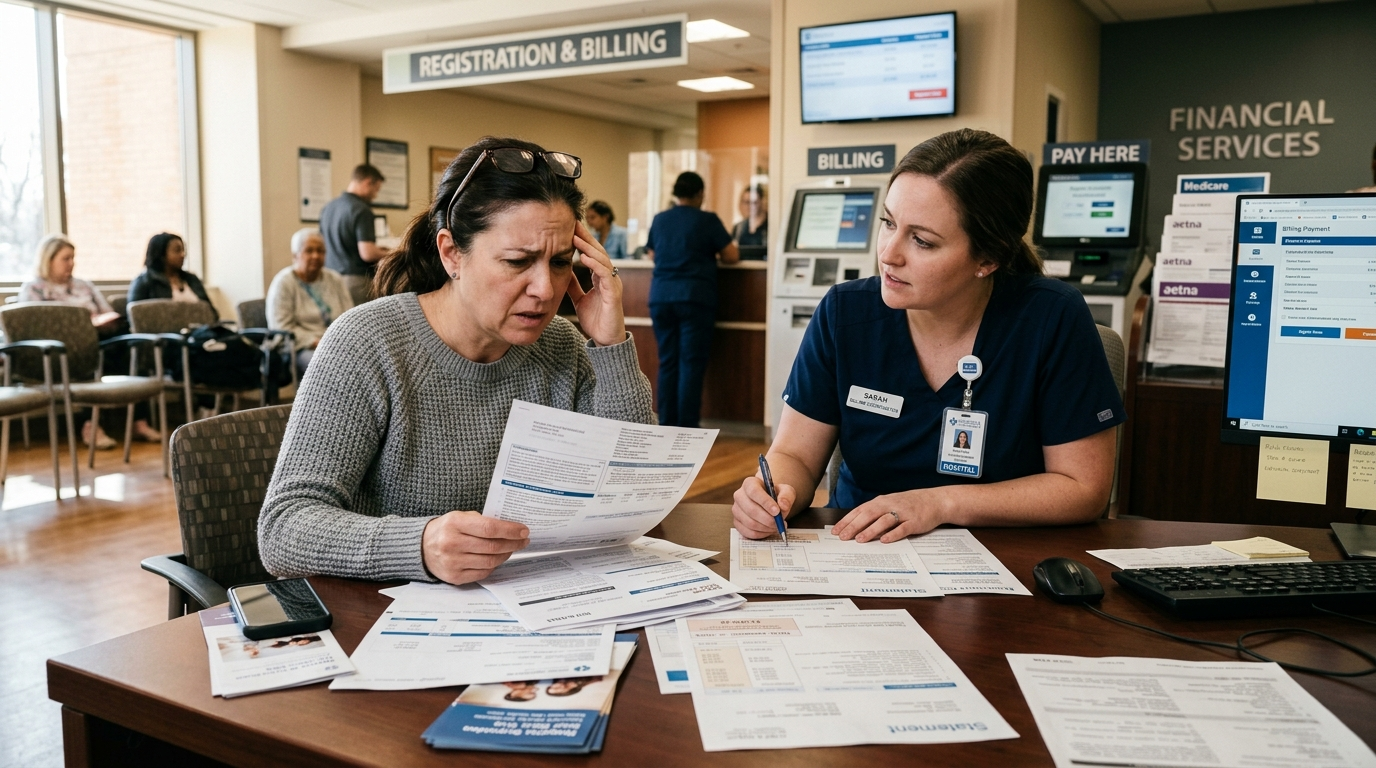
Patients carry more of their own healthcare costs than they did ten years ago. High-deductible plans, expanding out-of-pocket responsibility the patient is now a payer in a way they weren't before. And patients who don't understand their bill don't pay it faster. They wait. They call. They dispute. They leave.
Confusion is the enemy of collection. A patient who gets a clear invoice, a simple payment option, and a frictionless checkout pays. A patient who receives three separate statements from three separate entities for the same visit makes a phone call instead of a payment.
The billing experience is the patient experience. You don't get to separate them.
What Healthcare Payment Processing Actually Requires
A processor that understands this environment brings more than a card reader.
They bring infrastructure designed for the compliance environment healthcare operates in. PCI compliance, tokenization, end-to-end encryption baseline requirements, not optional add-ons. DATA ONE understands the compliance landscape healthcare practices navigate. That's not a small thing. Most processors either refuse healthcare clients outright or hand them a generic contract and hope for the best.
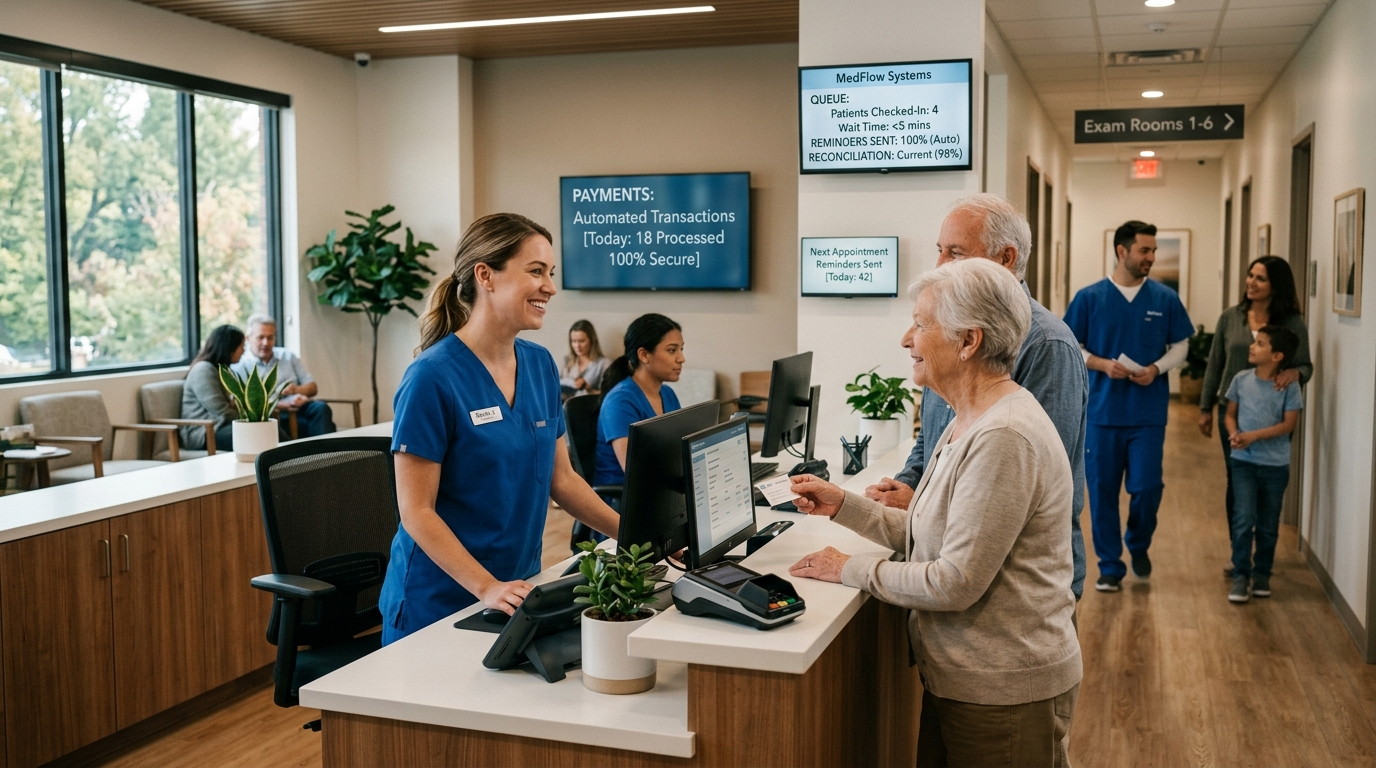
They bring integration. A system that syncs payments with your existing billing and scheduling tools. One that auto-posts payments to patient accounts, tracks outstanding balances in real time, and generates clean statements patients can actually read.
They bring payment flexibility that matches how patients actually live. Online portals. HSA and FSA card acceptance. Payment plans with auto-pay. Mobile-friendly checkout. Not because it's convenient because it gets paid.
And they bring transparent pricing. No rate tiers designed to obscure actual cost. No line items that appear six months into the contract. Processing fees that match what you were told they'd be.
The Operational Case for Getting This Right
A connected payment infrastructure doesn't just improve collections. It reduces administrative overhead in ways that compound over time.
Automated payment reminders replace manual phone calls. Real-time reporting replaces spreadsheet reconciliation. Integrated invoicing replaces duplicate data entry. Staff hours that were going to payment management go back to patient support.
The practices that run the cleanest payment operations aren't doing something exotic. They made a single decision: stop treating billing as an afterthought. Stop letting their processor sell them a retail product rebranded for healthcare. Start demanding infrastructure built for the environment they actually operate in.
The patient experience starts before the appointment and ends after the bill is paid. If the payment process is frustrating, it doesn't matter how good the clinical care was. That's the last thing a patient remembers.
Get the infrastructure right. The collections follow.
Get your free statement audit. We'll show you exactly what you're paying and where the friction is. Book your free audit →
Tables
These unsightly stains
Noticing brown spots on your ceiling
How Infectious Diseases Affect the Brain
Laudantium totam
Was sollte alles in einem stehen?
Accusantium doloremque
Using sound to model the world
Nemo enim ipsam
Common Skin Care Myths
Eritatis et quasi
Cards
Card Style One
Lorem ipsum dolor sit amet, consectetur adipiscing elit. Suspendisse varius enim in eros elementum tristique. Duis cursus, mi quis viverra ornare, eros dolor interdum nulla, ut commodo diam libero vitae erat. Aenean faucibus nibh et justo cursus id rutrum lorem imperdiet. Nunc ut sem vitae risus tristique posuere.
Card Style Two
It has survived not only five centuries, but also the leap into electronic typesetting, remaining essentially unchanged.
What makes healthcare payment processing different from standard merchant processing?
Healthcare billing involves insurance coordination, deductibles, co-pays, multiple billing entities, and strict data security requirements that standard retail processors aren't built for. A healthcare-appropriate processor integrates with practice management and EHR systems, supports HSA/FSA cards, and operates within the compliance environment medical practices require. A standard retail processor does none of those things reliably.
What should a medical practice look for when evaluating a payment processor?
Start with integration. If the processor doesn't connect to your existing billing and EHR software, you're creating manual work, not eliminating it. Then look at pricing transparency not the rate you're quoted, but the full fee structure including monthly costs, chargeback fees, and equipment charges. Finally, evaluate the compliance posture. DATA ONE understands the healthcare compliance environment and structures payment infrastructure accordingly.
How does payment processing affect patient collections?
Directly. Patients who receive clear, single invoices with multiple easy payment options pay faster than patients who receive confusing multi-party statements and a phone number. Automated reminders outperform manual follow-up calls in collection rates without the staff overhead. The simpler the payment experience, the shorter the collection cycle.
Can a clinic change payment processors without disrupting operations?
Yes. DATA ONE conducts a full statement audit first, so you understand exactly what you're paying and what changes. The transition is structured to integrate with your existing software rather than replace it. The disruption of staying on a poorly-fitted system is larger than the disruption of switching to one built for healthcare.
What does secure healthcare payments actually mean in practice?
It means tokenization card data is never stored in its original form. End-to-end encryption on every transaction. PCI compliance is maintained at the processor level, not passed to the practice to manage independently. Multi-factor authentication. Real-time fraud monitoring. These aren't differentiators. They're the floor. Any processor operating in healthcare should meet them without exception.
Brooklyn Simmons
Blocks/Grid
Fusce at sapien turpis. Aliquam at purus posuere, mattis sapien nec, dignissim ipsum. Cras ac auctor eros, sagittis euismod ante. Nunc non luctus orci. Vivamus ultrices cursus nisi sed vehicula.
Proin dapibus, sapien a suscipit sodales, justo velit placerat quam, sit amet efficitur nunc est congue quam. Phasellus varius congue tellus, non dictum ligula consectetur eu. Nam lobortis varius eros. Nulla diam augue, suscipit id pellentesque in, tristique id sapien. Vestibulum congue lorem ac turpis pulvinar ultricies.
Mauris tristique, urna hendrerit ornare viverra, diam nibh vestibulum nulla, sit amet porttitor massa magna at elit. Curabitur nec diam ac nulla interdum ultrices vel non nisi. Nunc ut vehicula mauris. Ut facilisis cursus hendrerit. Suspendisse facilisis auctor nibh sit amet tempus. Sed scelerisque sit amet lectus tristique varius.
Lorem ipsum dolor sit amet, consectetur adipiscing elit. Suspendisse varius enim in eros elementum tristique. Duis cursus, mi quis viverra ornare, eros dolor interdum nulla, ut commodo diam libero vitae erat. Aenean faucibus nibh et justo cursus id rutrum lorem imperdiet. Nunc ut sem vitae risus tristique posuere.
Most processors don't understand healthcare. DATA ONE does. Secure clinic payment processing with transparent pricing and compliance clarity for medical practices.
Courtney Henry
May 6, 2026
There are many variations of passages of Lorem Ipsum available, but the majority have suffered alteration in some form,
Oops! Something went wrong while submitting the form.
Guest
6 hours ago
Lorem ipsum dolor sit amet, consectetur adipiscing elit. Suspendisse varius enim in eros elementum tristique. Duis cursus, mi quis viverra ornare, eros dolor interdum nulla, ut commodo diam libero vitae erat. Aenean faucibus nibh et justo cursus id rutrum lorem imperdiet. Nunc ut sem vitae risus tristique posuere.
Oops! Something went wrong while submitting the form.
Guest
•
6 hours ago
Lorem ipsum dolor sit amet, consectetur adipiscing elit. Suspendisse varius enim in eros elementum tristique. Duis cursus, mi quis viverra ornare, eros dolor interdum nulla, ut commodo diam libero vitae erat. Aenean faucibus nibh et justo cursus id rutrum lorem imperdiet. Nunc ut sem vitae risus tristique posuere.
Ready to Build the Right Payment System for Your Business?
Speak with a Data One payments specialist to design a solution aligned with how your business operates — from payments and POS to software and growth tools.



.svg)