A Restaurant POS System Doesn't Speed Up Your Operation. It Reveals How Slow It Already Was.
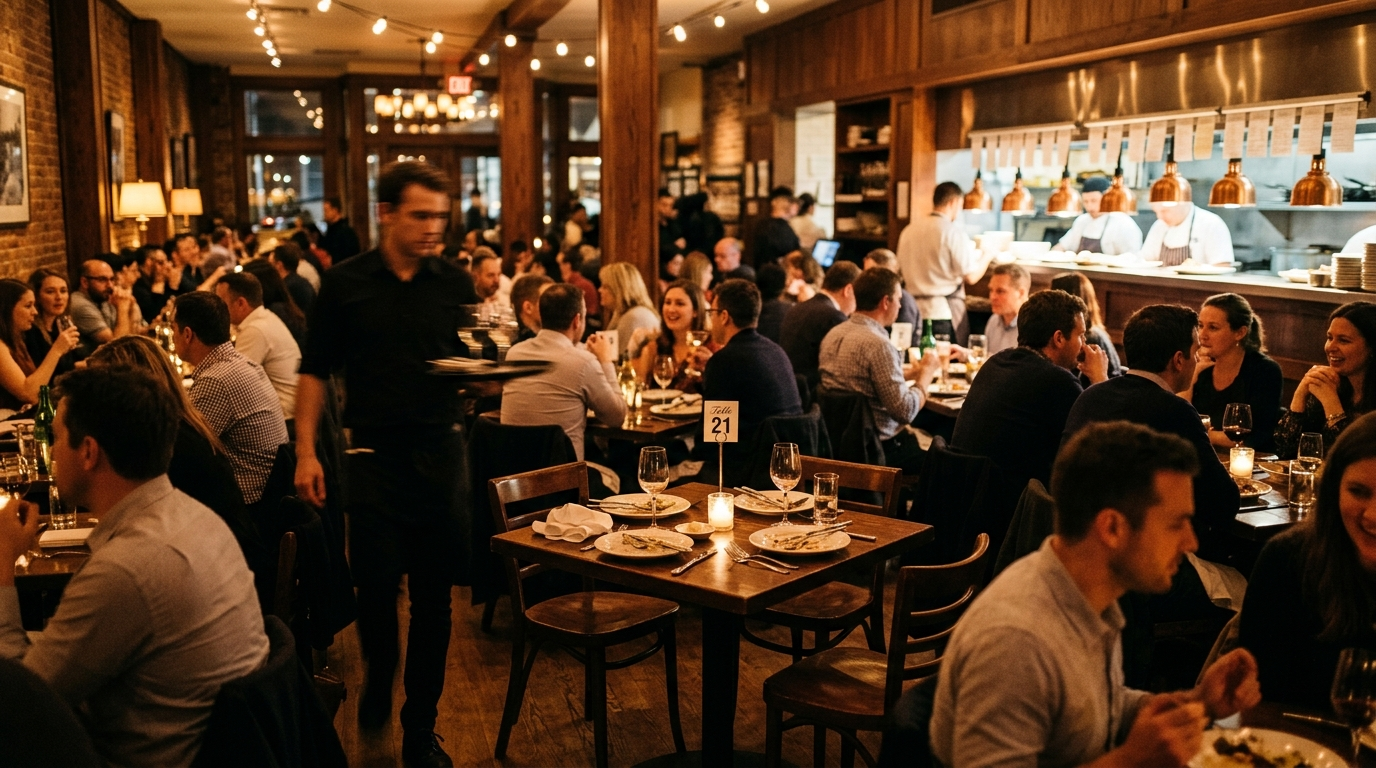
The Friday night shift felt manageable until table six's order hit the kitchen twenty minutes late because the ticket got buried. Table nine's bill took six minutes to close because the server had to manually calculate a split. Table four was left before ordering dessert because nobody knew they were ready.
None of that felt like a system failure. It felt like a busy Friday. It was both.
That's the gap Dataonems was built to close: restaurant POS and payment systems that route tickets cleanly, split checks instantly, and surface table status in real time, so a busy Friday stays a busy Friday and doesn't quietly turn into lost covers, walked tables, and tips that never happened.
What Manual Restaurant Operations Actually Cost
Orders: The First Thing a Restaurant POS System Fixes
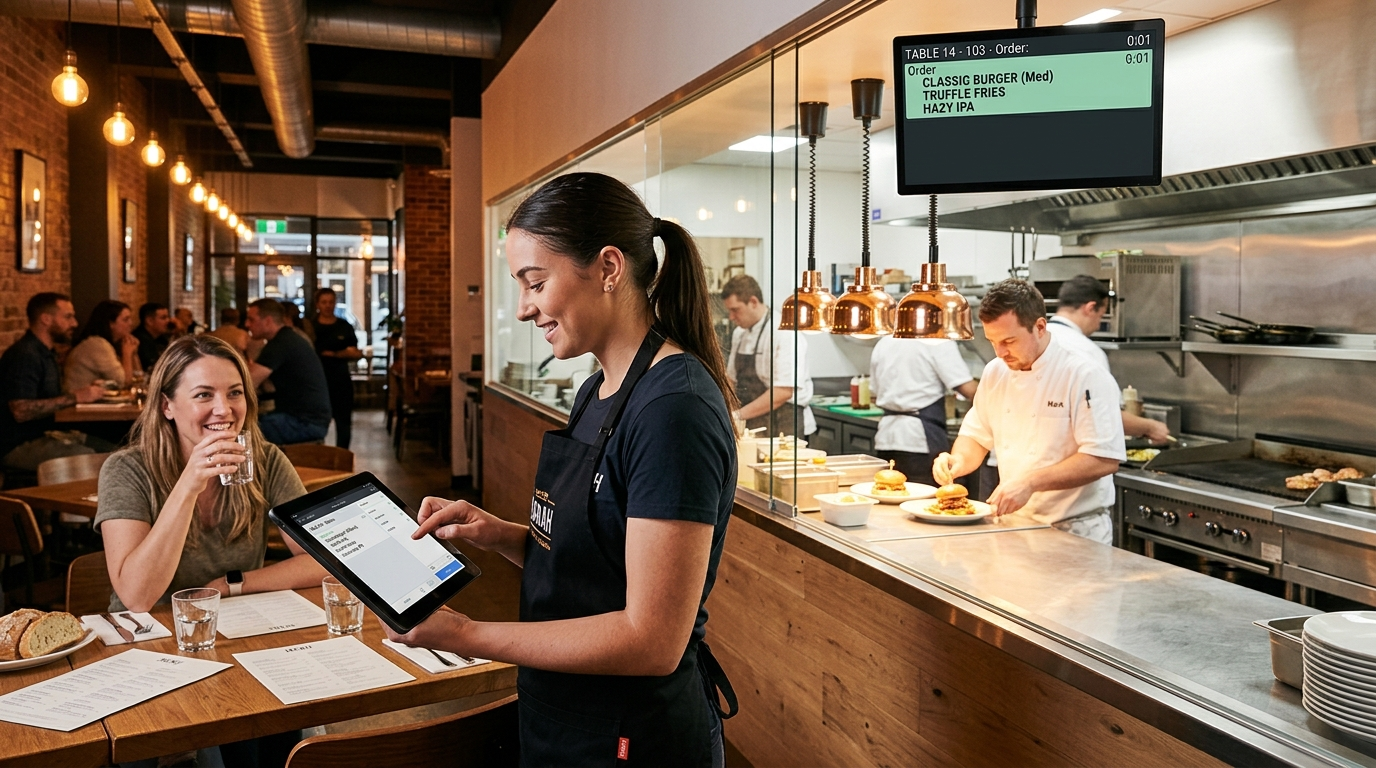
A modernrestaurant POS system connects order entry to kitchen production. The server enters the order at the table or tableside on a mobile device and it appears on the kitchen display instantly. Special modifications are printed exactly as entered. No handwriting to decode, no verbal relay, no lost ticket.
The kitchen works faster because the communication is unambiguous. Servers stay on the floor because they're not walking tickets. Food comes out right the first time because the instruction never changes shape between the guest's mouth and the line's hands.
In a fine dining context, this precision is expected. In a high-volume casual restaurant or a busy café, it's the difference between a functional Saturday night and a chaotic one. A cafe POS systemwith direct kitchen integration closes the same gap, regardless of service style or ticket size.
Table Management: What the Floor Actually Looks Like in Real Time
Without a table management POS, the floor lives in someone's head. That person, a manager, a host, an experienced server, is the system. When they're pulled away, the system fails.
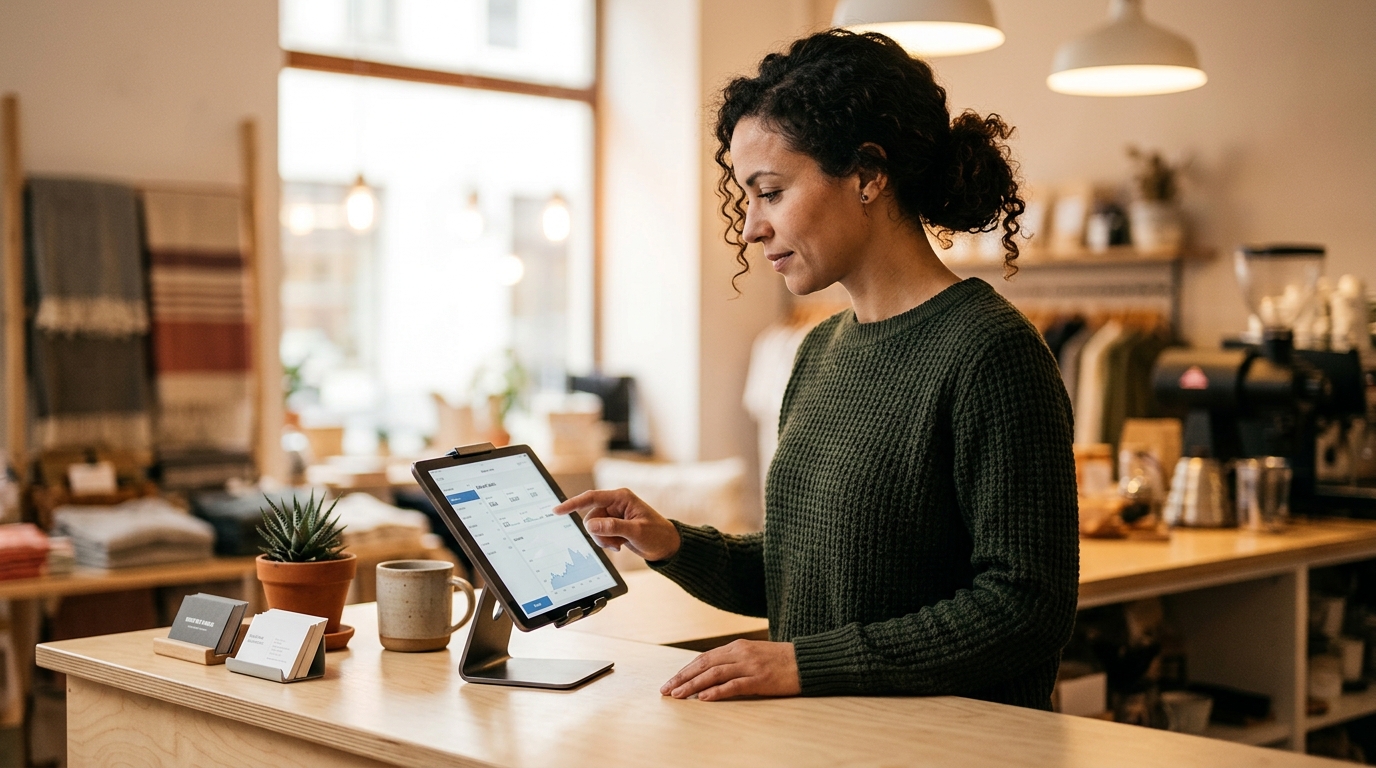
A table management module replaces institutional memory with real-time visual data. Every table's status is visible: occupied, awaiting order, mid-course, ready to close, or being turned. Seating decisions are made on actual availability, not estimates. Servers know which tables are theirs and where each one stands in the service sequence.
The operational impact is not abstract. Better table visibility reduces the gap between turns. It prevents the scenario where a cleaned table sits empty for eight minutes because nobody confirmed it was ready. It lets managers balance section workloads instead of watching one server run while another is underutilized.
For restaurants managing waitlists, a real-time floor view is the only way to give guests an accurate wait time instead of a guess that creates disappointment when it's wrong.
The Restaurant Checkout System: The Last Impression That Determines the Next Visit
Payment is the final moment of the dining experience. If it's slow, confusing, or requires a guest to flag someone down twice, it erases the memory of what was otherwise a good meal.
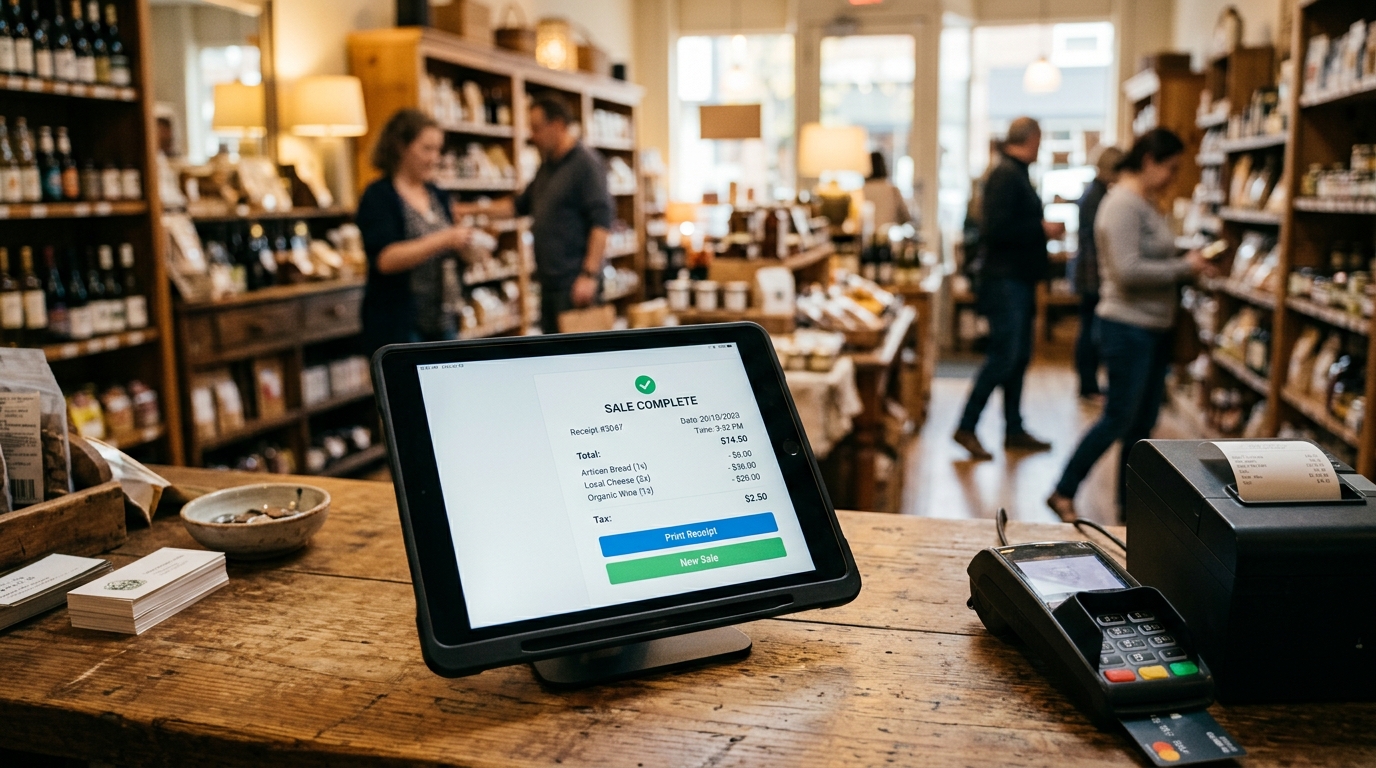
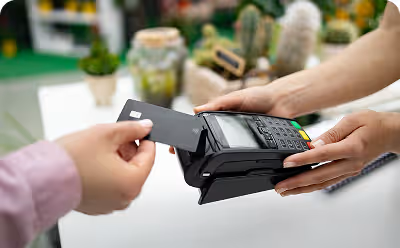
A restaurant checkout system integrated into the POS closes the bill in one flow. The total is automatically calculated from the order no manual math, no opportunity for pricing error. Split payments, multiple card types, digital wallets, and tip prompts all process through the same terminal. The server isn't managing three separate devices to close one table.
The business result is faster table turns. The guest result is a frictionless exit that doesn't undermine the experience they paid for.
Mobile Restaurant POS: Orders That Follow the Guest, Not the Terminal
Tableside ordering is not a novelty feature. It's a structural improvement in server productivity and order accuracy.
A mobile restaurant POS lets servers take orders at the table and send them to the kitchen without returning to a central station. The server stays present with the guest. The kitchen receives the order faster. The time between seating and first-course delivery compresses.
In large dining rooms, outdoor service areas, or event formats, mobile POS extends the operation beyond the footprint of fixed terminals. The system goes where the service is, not the other way around.
Reporting: The Data Generated by Every Shift, Finally Visible
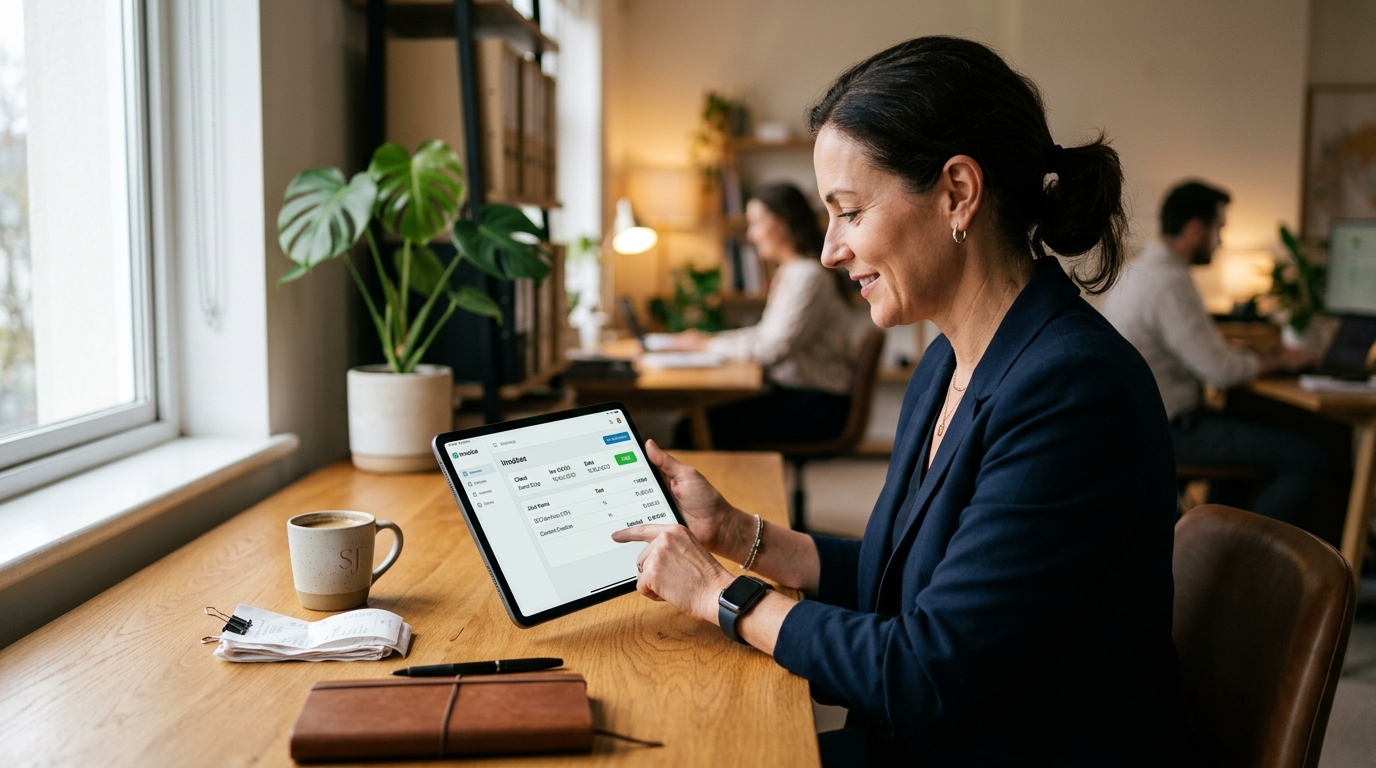
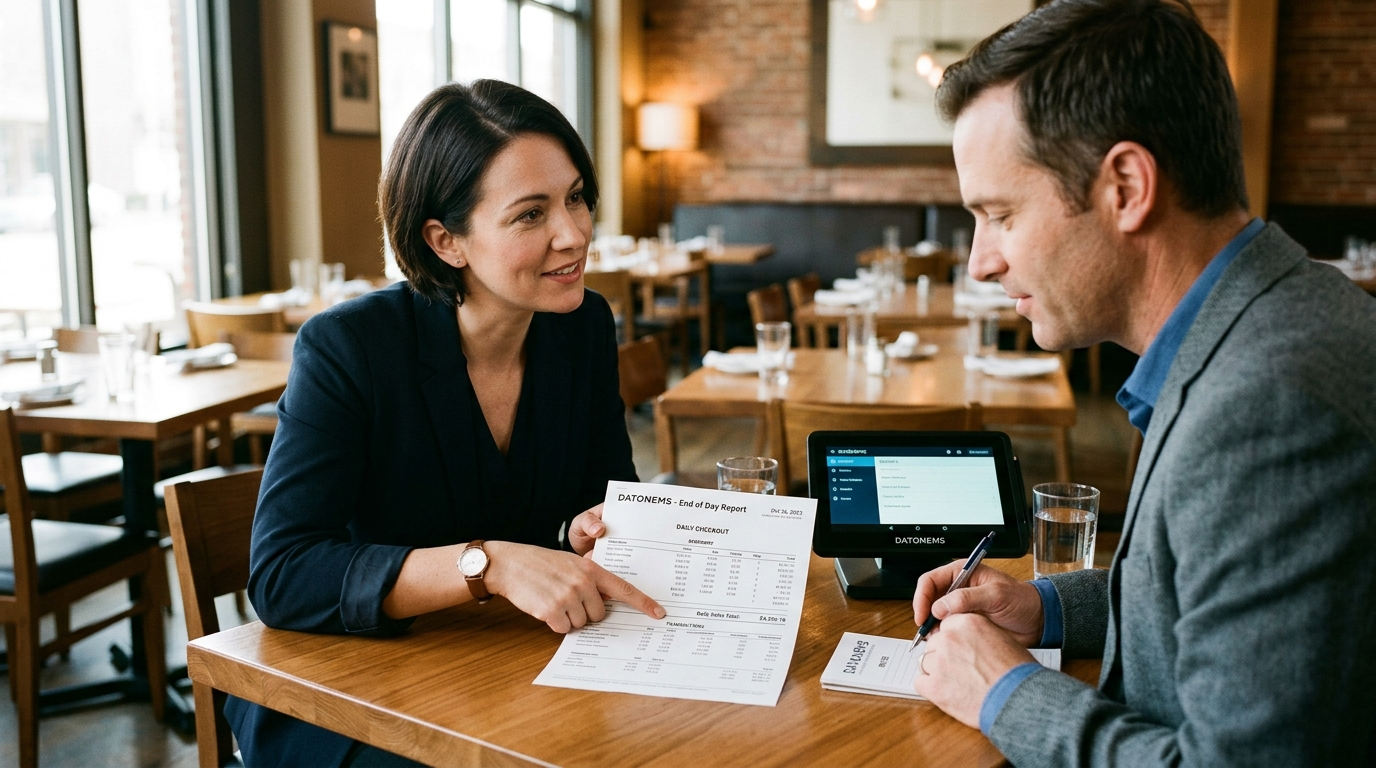
A food service POS generates a continuous record of what actually happened during service: which menu items sold, at what times, with what modifications, processed by which server, and closed in how long. Most restaurants generate this data and look at almost none of it.
That data answers the questions operators typically guess at. What's driving the highest margin? Which items are ordered frequently but returned often? Which servers have the longest ticket-to-close times? Where are the bottlenecks, kitchen-side or floor-side?
Operational decisions made from this record are different from decisions made from intuition. The menu gets engineered, not just revised. Staffing gets scheduled to match actual peak patterns, not assumed ones. The operator stops managing by feel and starts managing by fact.
This Is Not a Technology Decision. It's an Operations Decision.
The choice to implement a restaurant POS system is not about preferring digital tools over paper. It's about deciding whether the restaurant's operational infrastructure is going to match the standards guests already hold.
Guests have been tapping to pay since before the pandemic. They expect split bills to take thirty seconds. They notice when a server disappears with a handwritten ticket and returns three minutes later to ask what the third item was again.
The system a restaurant runs is visible to guests, even when they can't name it. A broken workflow communicates something. So does a tight one.
Lorem ipsum dolor sit amet, consectetur adipiscing elit. Suspendisse varius enim in eros elementum tristique. Duis cursus, mi quis viverra ornare, eros dolor interdum nulla, ut commodo diam libero vitae erat. Aenean faucibus nibh et justo cursus id rutrum lorem imperdiet. Nunc ut sem vitae risus tristique posuere.
Card Style Two
It has survived not only five centuries, but also the leap into electronic typesetting, remaining essentially unchanged.
What does a restaurant POS system actually include?
A modern restaurant POS handles order entry, kitchen communication (via display or printer), table management, payment processing, reporting, and staff permissions all in one integrated platform. The integration is the point: when orders, tables, and payments run through the same system, information doesn't get lost between steps, and managers can see what's happening across the entire floor in real time.
How does a table management POS improve service speed?
It replaces guesswork with real-time floor visibility. Hosts sit accurately based on actual table status instead of estimates. Servers know exactly where each of their tables stands in the service sequence. Managers can identify which stations are falling behind and intervene before a guest notices. The compounding effect is faster turns and fewer moments where a table sits idle because nobody confirmed it was ready.
Is a mobile restaurant POS worth the investment for a smaller operation?
Size isn't the determining factor; floor layout and service volume are. If servers are walking tickets to a central station and returning to the table before the kitchen receives the order, a mobile POS closes that gap regardless of the restaurant's size. The investment in tablets and mobile terminals typically returns in reduced ticket times and improved order accuracy within the first few weeks of use.
What's the difference between a restaurant checkout system and restaurant billing software?
Billing software generates an invoice. A restaurant checkout system integrated into a POS does that and more: it pulls the itemized order already in the system, applies the correct tax, processes any payment type the guest presents, handles bill splitting across multiple parties, captures tips, and closes the table without a separate tool or manual calculation. The distinction matters because disconnected billing software requires data to be entered twice, which introduces errors and slows down the close.
How does a food service POS improve kitchen accuracy?
It removes the handwriting and verbal relay from the order chain. An order entered on a POS terminal or handheld device transmits to the kitchen display exactly as entered, with all modifications visible and correctly sequenced. There's no interpretation step between what the guest said and what the line sees. In high-volume service, eliminating that interpretation step is the primary mechanism for reducing returned dishes and refire costs.
Brooklyn Simmons
Blocks/Grid
Fusce at sapien turpis. Aliquam at purus posuere, mattis sapien nec, dignissim ipsum. Cras ac auctor eros, sagittis euismod ante. Nunc non luctus orci. Vivamus ultrices cursus nisi sed vehicula.
Proin dapibus, sapien a suscipit sodales, justo velit placerat quam, sit amet efficitur nunc est congue quam. Phasellus varius congue tellus, non dictum ligula consectetur eu. Nam lobortis varius eros. Nulla diam augue, suscipit id pellentesque in, tristique id sapien. Vestibulum congue lorem ac turpis pulvinar ultricies.
Mauris tristique, urna hendrerit ornare viverra, diam nibh vestibulum nulla, sit amet porttitor massa magna at elit. Curabitur nec diam ac nulla interdum ultrices vel non nisi. Nunc ut vehicula mauris. Ut facilisis cursus hendrerit. Suspendisse facilisis auctor nibh sit amet tempus. Sed scelerisque sit amet lectus tristique varius.
Lorem ipsum dolor sit amet, consectetur adipiscing elit. Suspendisse varius enim in eros elementum tristique. Duis cursus, mi quis viverra ornare, eros dolor interdum nulla, ut commodo diam libero vitae erat. Aenean faucibus nibh et justo cursus id rutrum lorem imperdiet. Nunc ut sem vitae risus tristique posuere.
A restaurant POS system connects orders, payments, and table management into one workflow. Here's what that integration actually changes on a busy floor.
Courtney Henry
May 6, 2026
There are many variations of passages of Lorem Ipsum available, but the majority have suffered alteration in some form,
Oops! Something went wrong while submitting the form.
Guest
6 hours ago
Lorem ipsum dolor sit amet, consectetur adipiscing elit. Suspendisse varius enim in eros elementum tristique. Duis cursus, mi quis viverra ornare, eros dolor interdum nulla, ut commodo diam libero vitae erat. Aenean faucibus nibh et justo cursus id rutrum lorem imperdiet. Nunc ut sem vitae risus tristique posuere.
Oops! Something went wrong while submitting the form.
Guest
•
6 hours ago
Lorem ipsum dolor sit amet, consectetur adipiscing elit. Suspendisse varius enim in eros elementum tristique. Duis cursus, mi quis viverra ornare, eros dolor interdum nulla, ut commodo diam libero vitae erat. Aenean faucibus nibh et justo cursus id rutrum lorem imperdiet. Nunc ut sem vitae risus tristique posuere.
Ready to Build the Right Payment System for Your Business?
Speak with a Data One payments specialist to design a solution aligned with how your business operates — from payments and POS to software and growth tools.


.svg)