What a Grocery Store POS System Has to Do That a Standard Retail POS Cannot
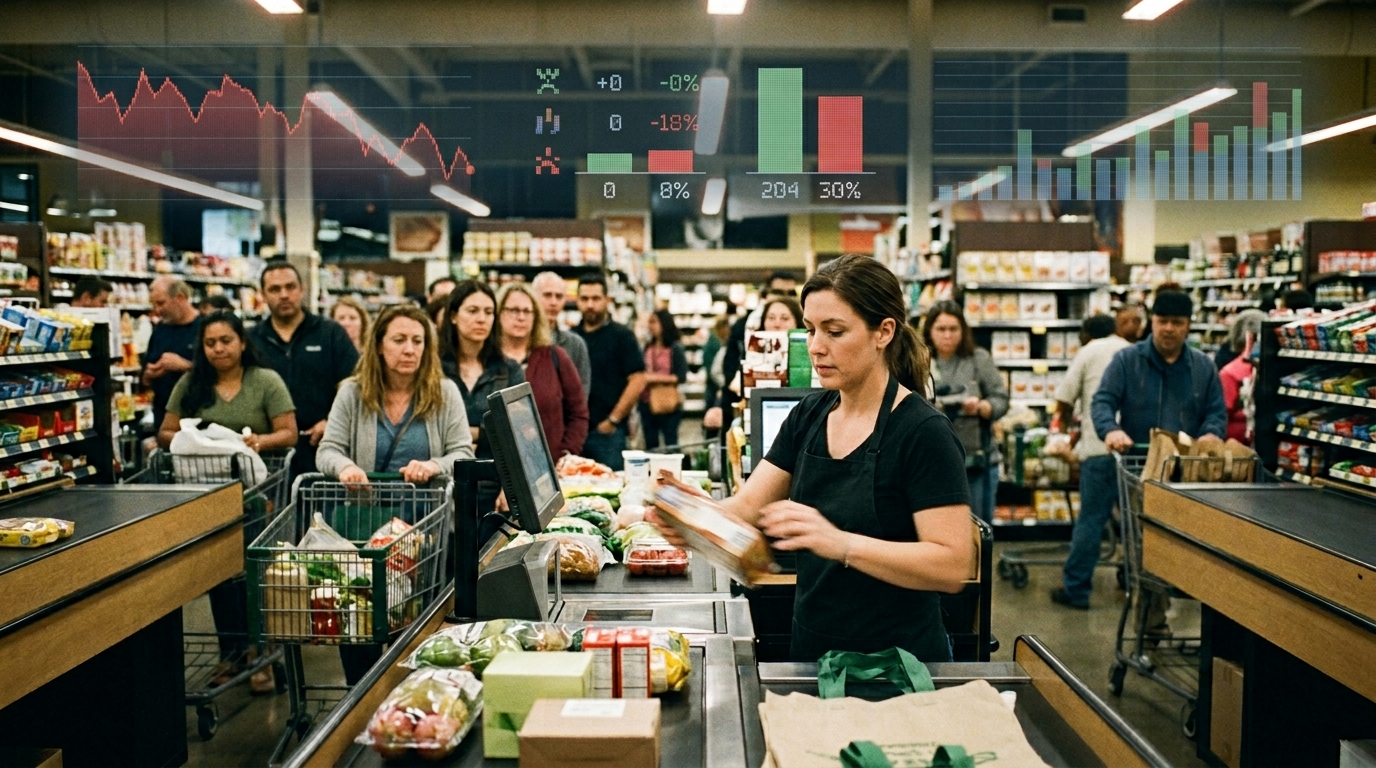
Grocery margins are thin. Transaction volume is high. A produce item rings up wrong, an inventory discrepancy compounds for two weeks, a checkout lane slows down during Saturday rush, and the numbers show it at the end of the month. Not as a dramatic event. As a quiet, consistent drain.
Most grocery retailers are already aware that something is leaking. The harder question is where.
That’s exactly where Dataonems helps grocery businesses by identifying payment inefficiencies, reducing checkout friction, and improving transaction accuracy so small leaks don’t turn into ongoing margin loss
Grocery Is Not Retail. The POS Has to Know the Difference.
The Checkout Problem Is Visible. The Inventory Problem Is Not.
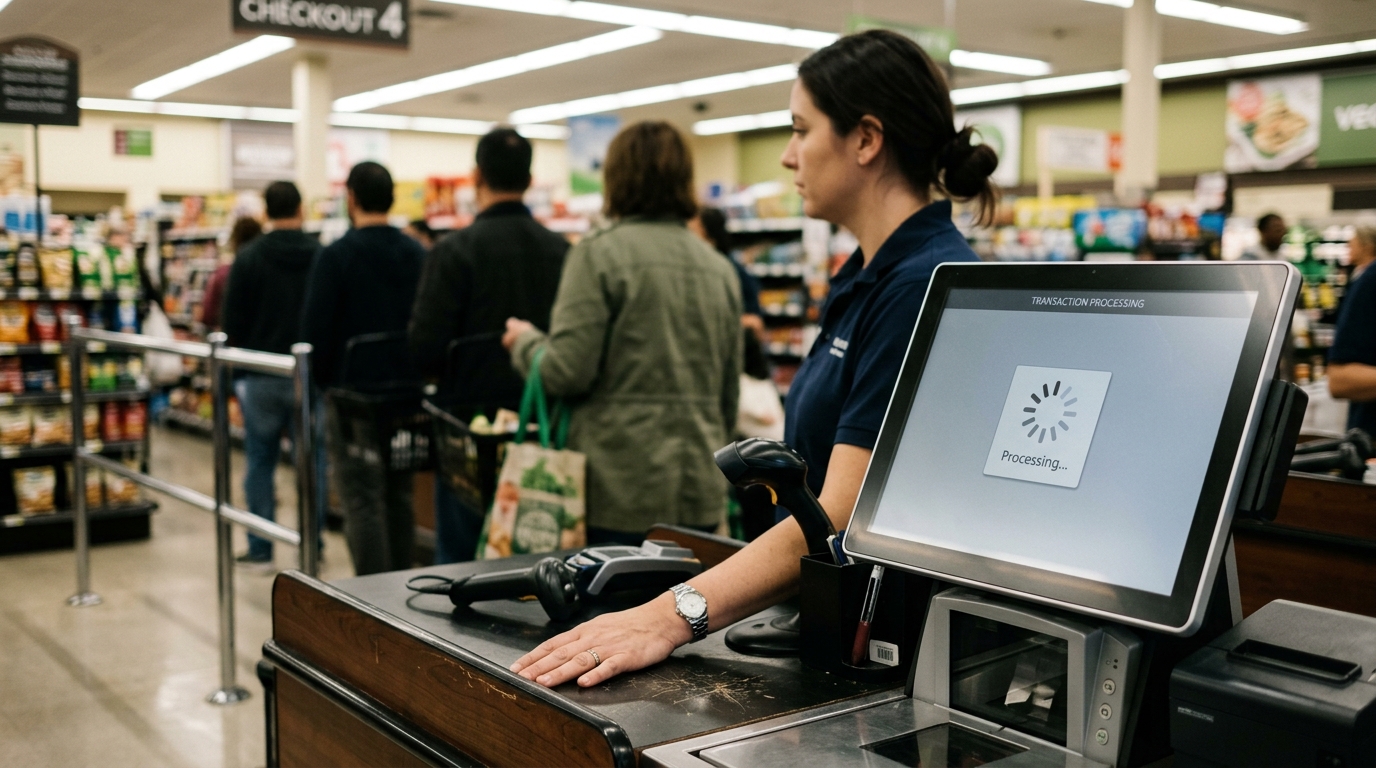
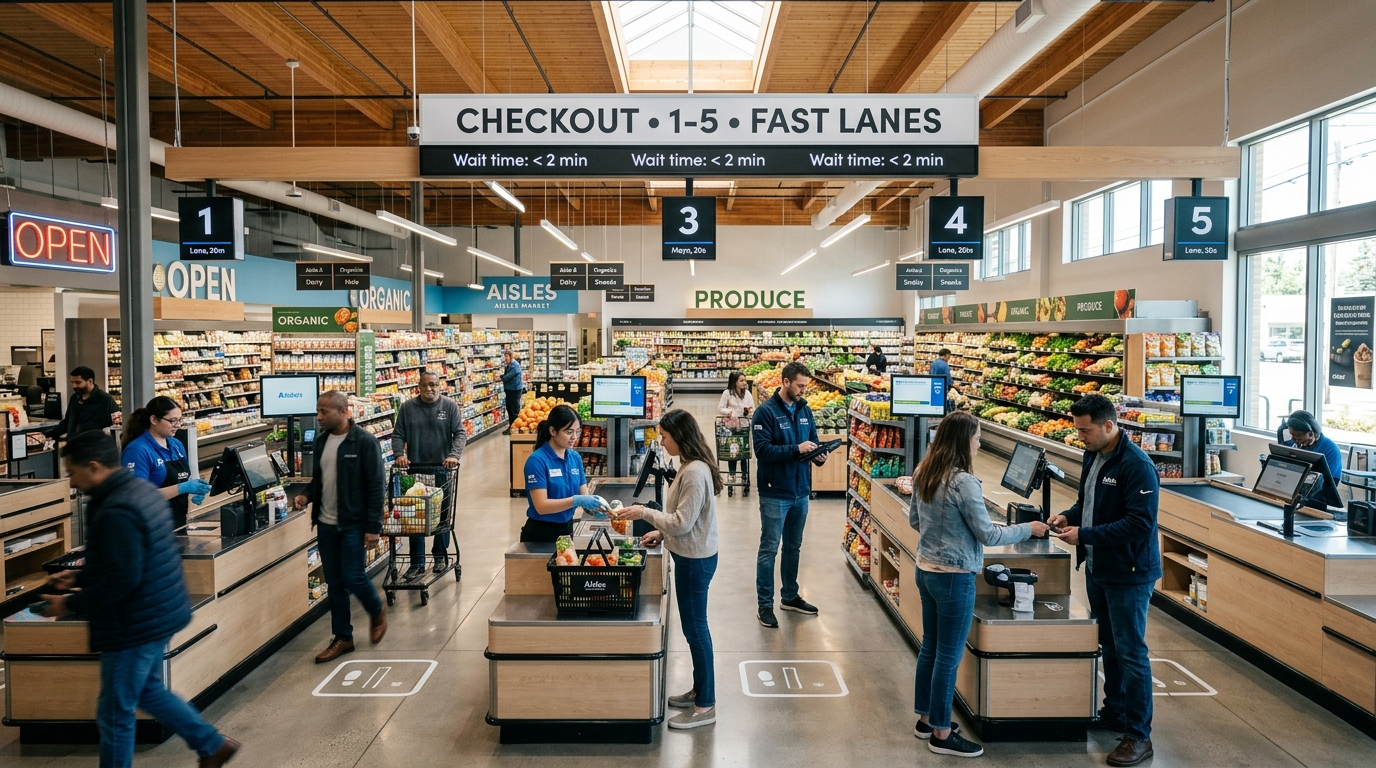
Long checkout lines are the surface-level complaint. They're real: slow barcode scanning, lagging transaction processing, hardware that can't keep pace during peak hours; these create a customer experience problem that's immediate and obvious.
The inventory problem is quieter and more expensive.
Grocery inventory moves fast. Perishables have short windows. A product that sits two days too long is a write-off. A product that goes unordered until the shelf is empty is a lost sale and a frustrated regular customer who now knows your competitor stocks it.
Manual inventory tracking cannot keep pace with that volume. The math doesn't work. When a grocery store processes 800 transactions in a day, the only inventory system that stays accurate and updates in real time after every scan. Integrated inventory grocery software tied directly to the POS is not a premium feature; it's the baseline requirement for not losing money to spoilage and stockouts every week.
Pricing Errors Are a Trust Problem
Grocery shoppers notice pricing discrepancies immediately. A promotional price that shows on the shelf but doesn't ring up at checkout is not just a customer service issue; it's an erosion of trust that takes longer to rebuild than the dollar amount involved.
Promotional pricing in grocery changes constantly: weekly circulars, seasonal campaigns, supplier-funded discounts, and loyalty member pricing. Without a centralizedgrocery store POS system that pushes those changes to every checkout terminal simultaneously, pricing divergence is not a risk. It's a guarantee.
What a Supermarket POS System Needs to Handle
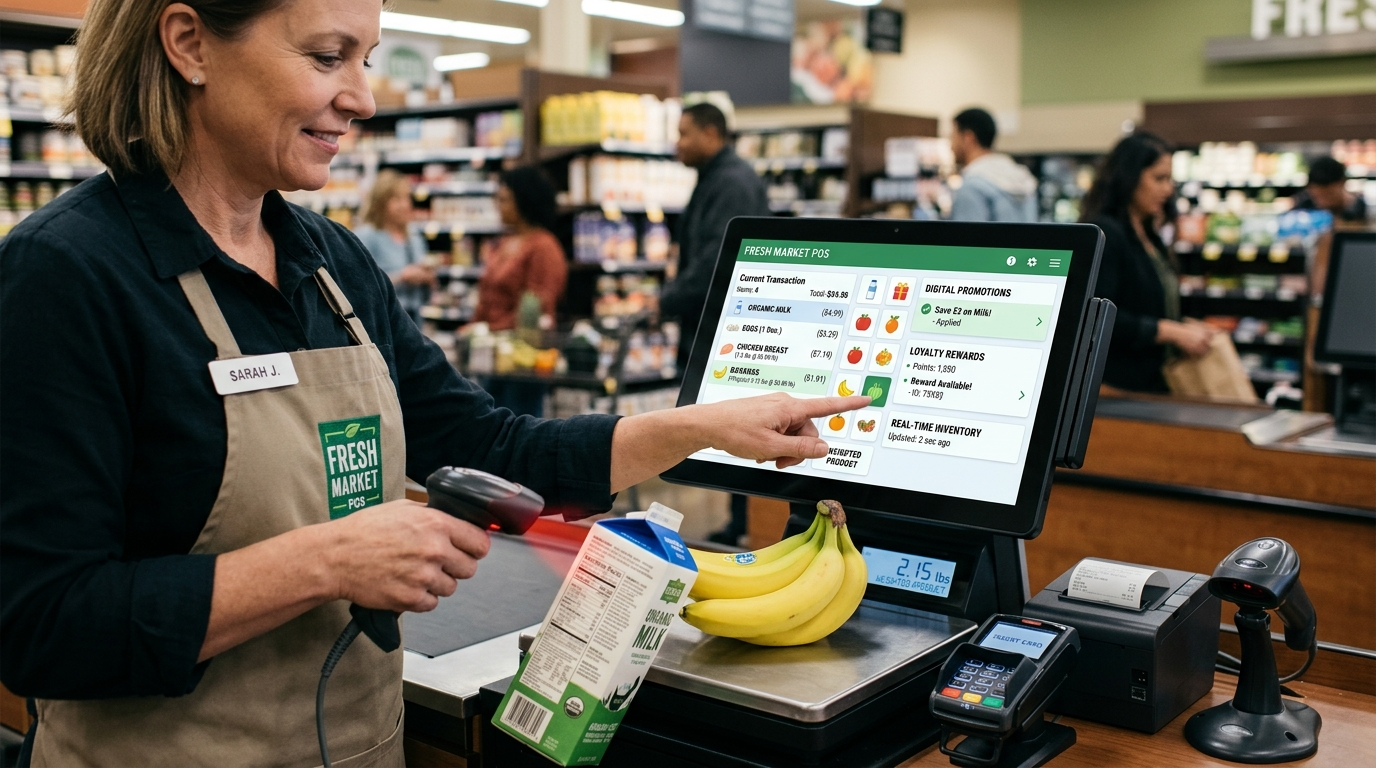
The feature checklist for grocery is specific. High-speed barcode scanning that doesn't lag when a cashier is moving through a full cart. Weighted produce pricing that integrates with scale hardware at the register. Expiration date and batch tracking for compliance and shrinkage management. Promotion and discount management that updates systemwide. Multi-location inventory visibility for operators running more than one store.
Reporting that actually reflects what's happening: which items are moving, which are dead weight, which vendor relationships are performing, and what the margin looks like at the product level. Grocery operators who make purchasing decisions without this data are making them based on memory and habit, and the margins don't absorb that for long.
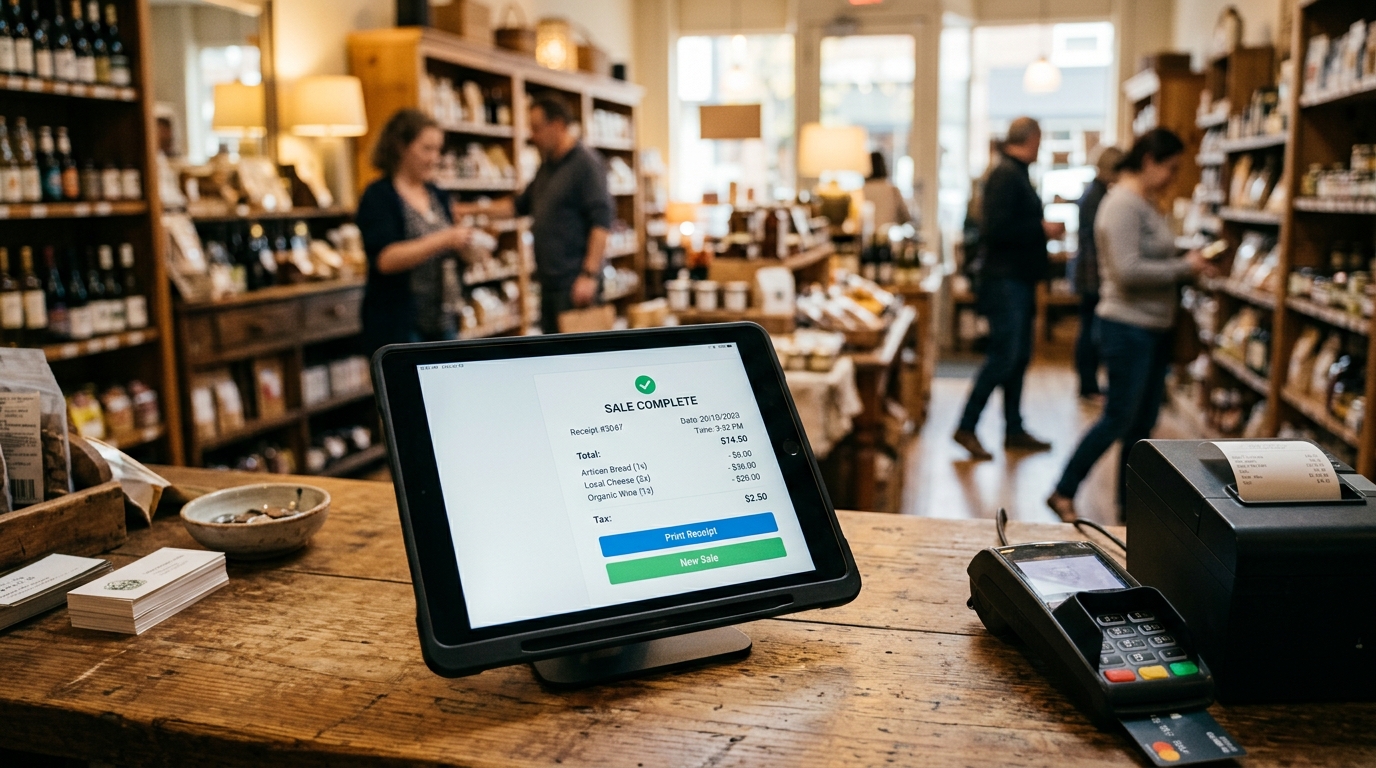
Payment flexibility matters too. Contactless payments, digital wallets, SNAP/EBT processing, loyalty rewards, split payments, customers expect all of it to work without friction, without a cashier having to escalate to a manager to process a routine transaction.
Cloud vs. On-Premise: The Real Trade-Off
The question isn't which model is superior in the abstract. The question is what the operation actually requires.
Cloud-based grocery POS platforms offer remote access to reporting and inventory, automatic software updates, and centralized management across multiple locations. For an operator running three stores and wanting real-time visibility from a single dashboard, cloud architecture makes operational sense.
The realistic concern is internet dependency. The better platforms have addressed this with offline functionality; the system continues processing transactions locally and syncs when connectivity is restored. Any platform being evaluated should have a clear answer to what happens when the connection drops on a Saturday afternoon.
Traditional on-premise systems feel familiar and don't depend on an internet connection. Their limitations show at scale: software updates require manual intervention, remote access is limited, and multi-location management becomes cumbersome.
Neither model works universally. The right choice follows from how the business is structured, how many locations it operates, and how the owner wants to interact with operational data.
The Hidden Cost of Getting This Wrong
Grocery retailers who underinvest in the POS layer often discover the cost late. By then, the inventory inaccuracies have compounded, the pricing errors have become customer complaints, and the reporting gaps have made it impossible to know where the margin went.
The system being evaluated today isn't just a checkout tool. It's the operational record for every unit sold, every supplier order triggered, every dollar of shrinkage either caught or missed. Choosing it based on upfront price alone without evaluating whether it was actually built for a grocery environment is the single most common mistake operators make.
Do the analysis before the implementation, not after.
Grocery margins don't leave room for the wrong system. We'll show you what the right one looks like for your operation. Get your free assessment →
Tables
These unsightly stains
Noticing brown spots on your ceiling
How Infectious Diseases Affect the Brain
Laudantium totam
Was sollte alles in einem stehen?
Accusantium doloremque
Using sound to model the world
Nemo enim ipsam
Common Skin Care Myths
Eritatis et quasi
Cards
Card Style One
Lorem ipsum dolor sit amet, consectetur adipiscing elit. Suspendisse varius enim in eros elementum tristique. Duis cursus, mi quis viverra ornare, eros dolor interdum nulla, ut commodo diam libero vitae erat. Aenean faucibus nibh et justo cursus id rutrum lorem imperdiet. Nunc ut sem vitae risus tristique posuere.
Card Style Two
It has survived not only five centuries, but also the leap into electronic typesetting, remaining essentially unchanged.
What makes a grocery store POS system different from a standard retail POS?
Grocery operations require features that most general retail software doesn't support natively: high-speed barcode scanning at volume, weighted product pricing integrated with scale hardware, real-time inventory tracking across thousands of SKUs, expiration date management, and promotional pricing that updates systemwide simultaneously. A generic retail POS often handles the first transaction correctly and breaks down under grocery-scale volume and complexity.
Why does inventory accuracy matter so much in grocery stores?
Grocery products are fast-moving and often perishable. A two-day inventory lag in a clothing store is an inconvenience. In a grocery store, it means spoilage that gets written off, stockouts that send customers to a competitor, and purchasing decisions made on outdated data. Real-time inventory updated after every scan is the minimum standard for a grocery operation to control its margin.
Can a grocery checkout system handle SNAP/EBT and multiple payment types?
A properly configured grocery POS system handles SNAP/EBT, credit, debit, contactless, mobile wallet, gift card, loyalty rewards, and split-tender transactions. The requirement is that the payment processing integration supports these methods and that the hardware is certified accordingly. This is a configuration and compliance question, not just a software question, and it's worth confirming before committing to a platform.
How does a supermarket POS system support multi-location management?
Centralized management means pricing updates, promotional schedules, inventory records, and staff permissions are controlled from a single administrative layer and pushed to all locations. Each store's sales and inventory data flows back into a unified reporting dashboard. Without this, operators running multiple locations are essentially managing separate businesses with no cross-store visibility.
What reporting should a grocery store POS system provide?
The reporting that actually matters in grocery: product-level margin, velocity by SKU, slow-moving and dead inventory, shrinkage by category, peak transaction hours, employee productivity, supplier performance, and promotional ROI. Any system that only reports total sales by day is not giving a grocery operator the information needed to make defensible purchasing and operational decisions.
Brooklyn Simmons
Blocks/Grid
Fusce at sapien turpis. Aliquam at purus posuere, mattis sapien nec, dignissim ipsum. Cras ac auctor eros, sagittis euismod ante. Nunc non luctus orci. Vivamus ultrices cursus nisi sed vehicula.
Proin dapibus, sapien a suscipit sodales, justo velit placerat quam, sit amet efficitur nunc est congue quam. Phasellus varius congue tellus, non dictum ligula consectetur eu. Nam lobortis varius eros. Nulla diam augue, suscipit id pellentesque in, tristique id sapien. Vestibulum congue lorem ac turpis pulvinar ultricies.
Mauris tristique, urna hendrerit ornare viverra, diam nibh vestibulum nulla, sit amet porttitor massa magna at elit. Curabitur nec diam ac nulla interdum ultrices vel non nisi. Nunc ut vehicula mauris. Ut facilisis cursus hendrerit. Suspendisse facilisis auctor nibh sit amet tempus. Sed scelerisque sit amet lectus tristique varius.
Lorem ipsum dolor sit amet, consectetur adipiscing elit. Suspendisse varius enim in eros elementum tristique. Duis cursus, mi quis viverra ornare, eros dolor interdum nulla, ut commodo diam libero vitae erat. Aenean faucibus nibh et justo cursus id rutrum lorem imperdiet. Nunc ut sem vitae risus tristique posuere.
The best standard retail POS was not built for grocery. High-volume stores need a system that handles inventory, weighted produce, and checkout speed at scale.
Courtney Henry
May 6, 2026
There are many variations of passages of Lorem Ipsum available, but the majority have suffered alteration in some form,
Oops! Something went wrong while submitting the form.
Guest
6 hours ago
Lorem ipsum dolor sit amet, consectetur adipiscing elit. Suspendisse varius enim in eros elementum tristique. Duis cursus, mi quis viverra ornare, eros dolor interdum nulla, ut commodo diam libero vitae erat. Aenean faucibus nibh et justo cursus id rutrum lorem imperdiet. Nunc ut sem vitae risus tristique posuere.
Oops! Something went wrong while submitting the form.
Guest
•
6 hours ago
Lorem ipsum dolor sit amet, consectetur adipiscing elit. Suspendisse varius enim in eros elementum tristique. Duis cursus, mi quis viverra ornare, eros dolor interdum nulla, ut commodo diam libero vitae erat. Aenean faucibus nibh et justo cursus id rutrum lorem imperdiet. Nunc ut sem vitae risus tristique posuere.
Ready to Build the Right Payment System for Your Business?
Speak with a Data One payments specialist to design a solution aligned with how your business operates — from payments and POS to software and growth tools.


.svg)